Tool Supply Boise: How to Choose the Right Industrial Tools & Accessories
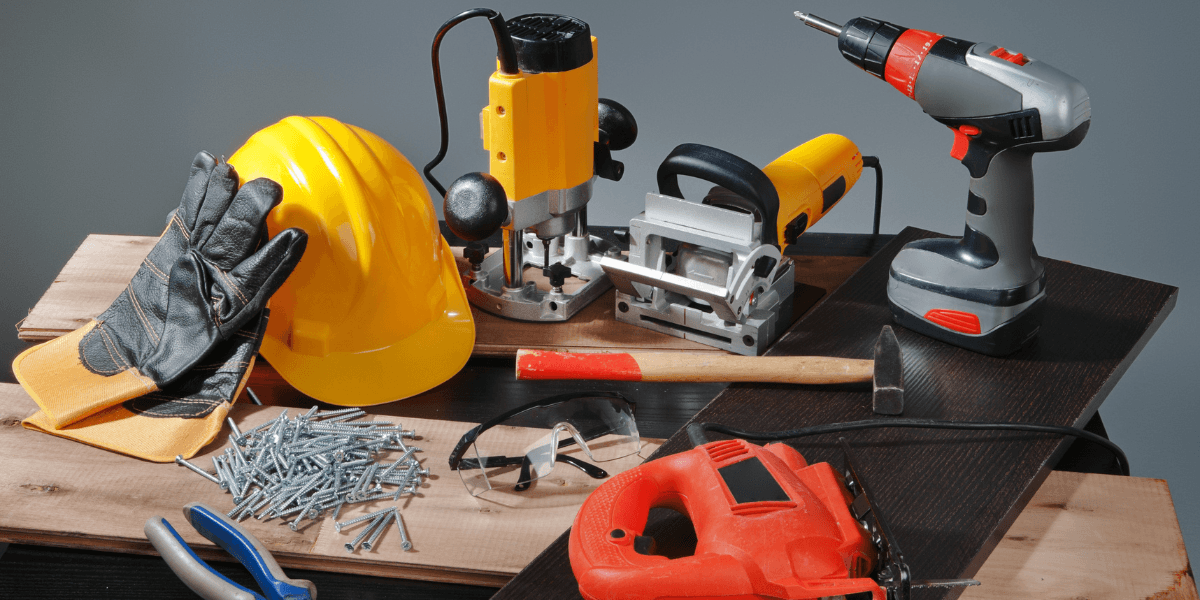
Buying industrial tools in Boise sounds simple until you’re the one responsible for keeping a job moving. A drill that bogs down, a blade that burns up halfway through a cut, or the wrong fitting on a pneumatic line can turn a routine day into a scramble. The goal isn’t to stock the flashiest gear. It’s to choose tools and accessories that match your work, hold up under Idaho conditions, and stay compatible with the equipment you already run.
At Kowallis, we’ve supplied industrial hardware, tools, and jobsite essentials across Boise and the Treasure Valley. We’re known as the OG of Idaho fasteners, but our shelves go far beyond bolts and nuts. Contractors, manufacturers, maintenance teams, and MRO buyers come to us for fasteners, tools, abrasives, safety and fall protection, pneumatics, cutting tools and fabrication, adhesives and sealants, chemicals and paints, and the everyday supplies that keep projects on schedule.
This blog breaks down how to pick the right industrial tools and accessories without the guesswork, using the same decision points our Boise team talks through every day.
Start with the job, not the catalog.
Before you compare brands or prices, get clear on what the tool needs to do and how often it will do it. “Industrial” covers a wide range, and the right choice for a maintenance shop can look different from the right choice for a concrete crew or a fabrication bay.
A few questions that sharpen the picture:
Is this tool for daily heavy-duty use or occasional tasks?
Will it run in a controlled indoor environment or on an exposed jobsite with dust, moisture, and temperature swings?
What’s the consequence of downtime if the tool fails?
Who will use it, and for how long at a time?
A tool that’s perfect for a short punch list can be the wrong fit for an eight-hour production shift. When we match tools to usage, we’re really matching them to stress: torque, heat, vibration, impact, and exposure. The clearer that is up front, the easier it becomes to narrow options fast.
Build quality: materials matter because failure is expensive.
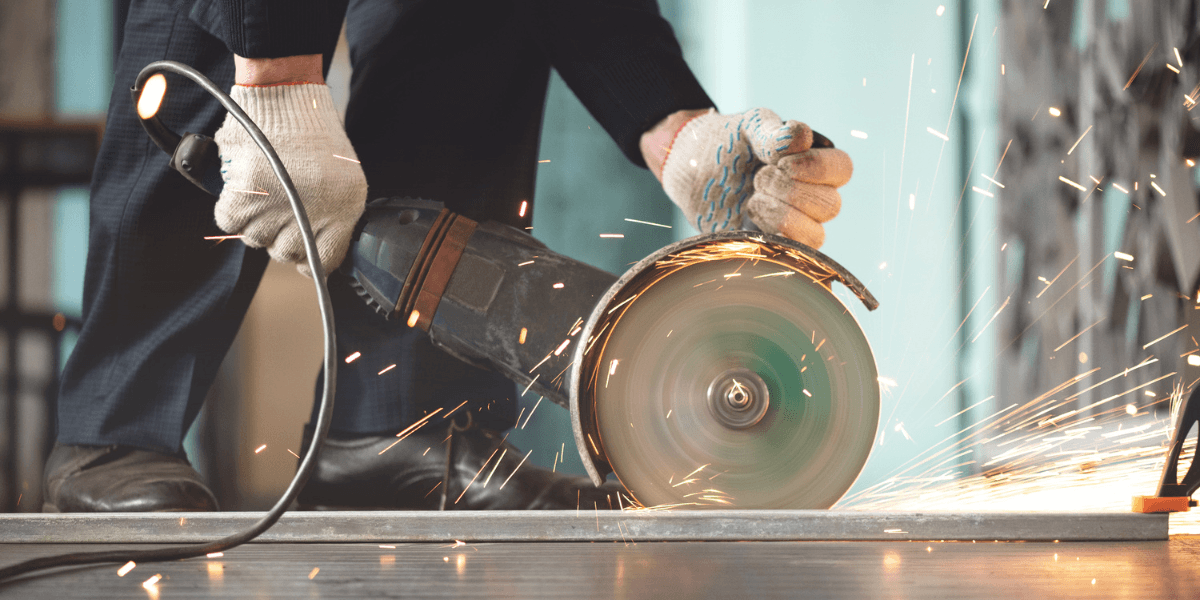
If you’ve ever snapped a cheap bit at the worst time, you already know why material quality sits near the top of the list. On industrial jobs, the cost of a tool isn’t the receipt. It’s the lost time, rework, and safety risk that come with poor performance.
For cutting tools in particular, pay attention to steel quality and heat treatment. Hardened steel and high-carbon steel often earn their keep when you’re dealing with tougher materials or repetitive cuts. The difference shows up in edge retention, cleaner holes, and fewer mid-task changeouts.
For hand tools, look for durable, wear-resistant construction with solid joints, tight tolerances, and finishes that resist corrosion. Boise-area work can mean outdoor exposure, damp mornings, and fine dust that finds its way everywhere. Tools that resist rust and grit don’t just last longer; they stay reliable.
A good rule: if the tool is a single point of failure for your workflow, treat quality as a requirement, not a preference.
Precision isn’t a luxury; it’s how you keep projects clean.
Precision affects output quality and speed. In fabrication, construction, and maintenance, small inaccuracies stack up quickly. The wrong bit can tear instead of cut. A dull blade can wander. A mismatched accessory can introduce vibration that ruins the finish.
If your team needs clean, accurate results, prioritize accessories that are designed for that purpose:
High-quality drill bits for consistent hole sizing and cleaner entry/exit
Proper blades matched to material type and thickness
Abrasives that cut predictably rather than glazing over or shedding prematurely
You don’t have to buy boutique gear to get precision. You do need consistent manufacturing and the right spec for the material in front of you.
Ergonomics: comfort turns into productivity (and fewer injuries).
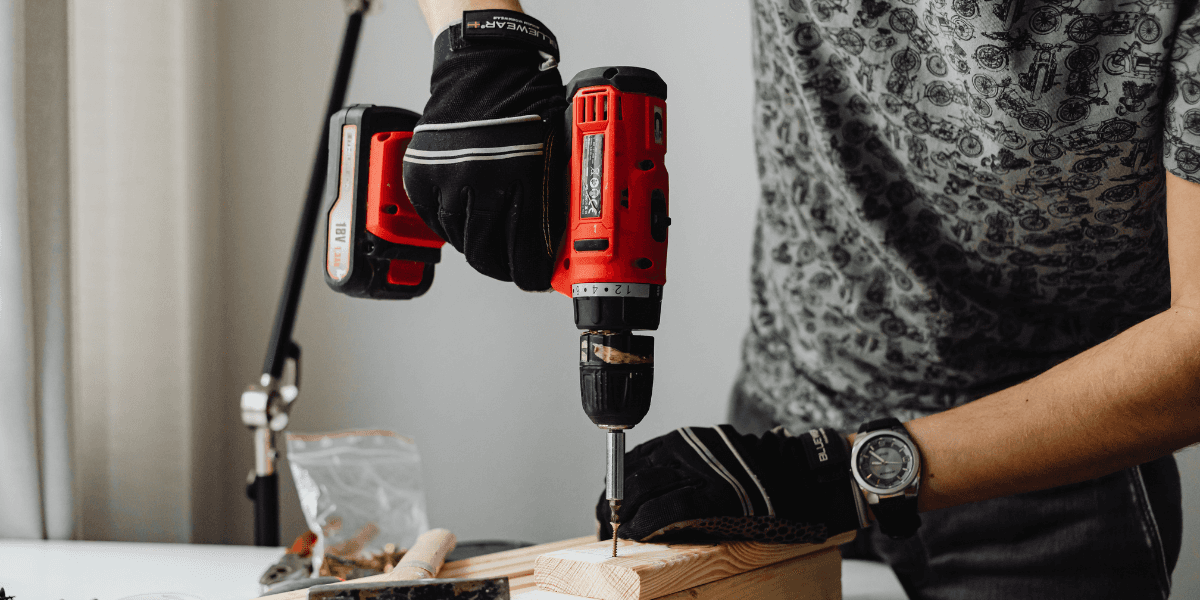
Ergonomics can sound like a “nice to have” until you watch fatigue impact the last third of a shift. Tools with poor balance, slippery handles, or harsh vibration slow people down and increase mistakes. They also increase the chance of strain injuries.
When comparing options, look for:
Comfortable grips that stay secure with gloves
Shock-resistant, vibration-reducing handle designs
Controls that are easy to reach and operate repeatedly
Weight and balance that match the job and user
This matters for hand tools and power tools alike. A tool that feels fine for five minutes can be a problem at hour five. Comfort and control pay back through better pace, better accuracy, and fewer “workarounds” that create safety issues.
Compatibility: Accessories should fit your existing system.
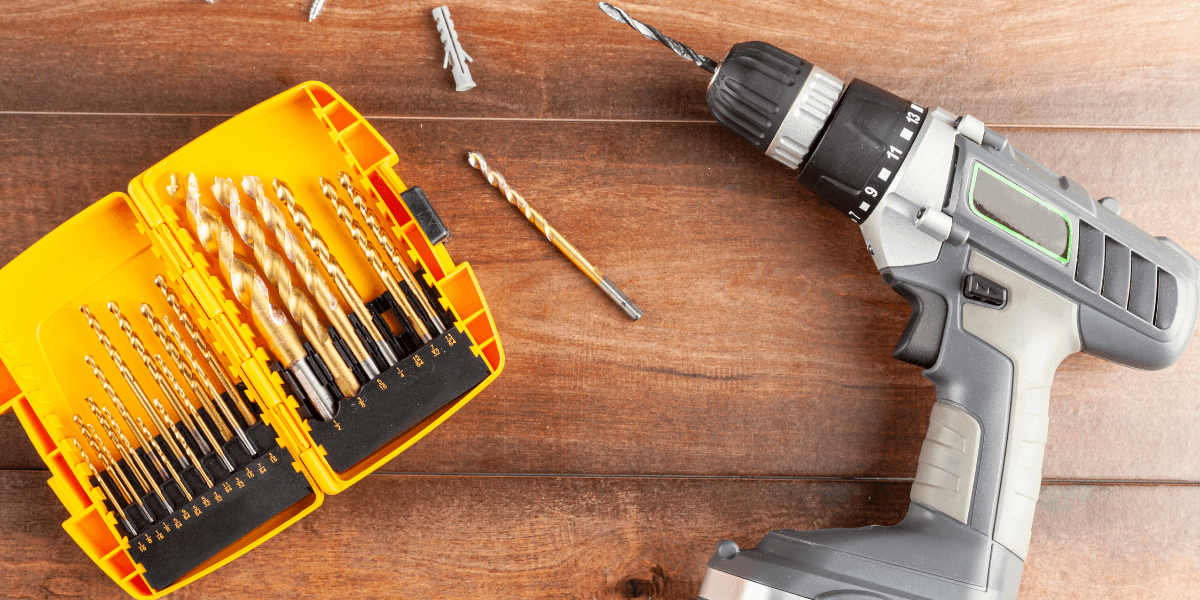
A common hidden cost in tool purchasing is incompatibility. You buy a tool, then realize your current inventory of blades, bits, hoses, fittings, or fasteners won’t work with it. Now you’re carrying two systems, doubling your stocking headaches.
Before you commit, check:
Shank types and sizes for bits and drivers
Blade mounts and arbor sizes
Hose connections and coupler types for pneumatics
Voltage and battery platform compatibility (for cordless tools)
Thread types and sizes for fittings and attachments
If your crew already has a working ecosystem, choose tools and accessories that plug into it. That keeps your storeroom simpler and your team faster.
Safety features and certifications: treat them as baseline.
Industrial tools belong in environments where safety is always part of the work. The right tool selection supports safe habits instead of fighting them.
Look for practical safety features such as:
Guards on cutting and grinding tools
Auto shutoff or brake features where applicable
Lockout-friendly designs for maintenance environments
Clear labeling and instructions
Products that meet relevant safety standards for the category
Also consider the full setup, not only the tool body. Guards, handles, and the right PPE all work together. If you’re purchasing tools, it’s usually the right time to review safety and fall protection needs as well, especially for crews working at height or around cutting and grinding operations.
Cost vs. value: focus on total cost of ownership
Low price is easy to measure. Real value takes a wider lens.
Total cost of ownership includes:
How long the tool lasts under your usage
How often accessories need replacement
Downtime from failures or slow performance
Maintenance requirements
Warranty support and replacement speed
A cheaper tool that burns through blades, overheats, or requires frequent repair can end up costing far more than a well-built option that runs consistently. If a tool impacts production, quality control, or schedule, value usually wins.
In procurement terms, think in terms of cost per job completed, not cost per unit purchased.
Boise-specific buying: local inventory and support reduce downtime.
Boise-area contractors and industrial teams often operate on tight schedules and short lead times. Waiting a week for a replacement part can create a domino effect across crews, subs, and inspections.
That’s where local supply becomes a real operational advantage:
Local inventory means you can get what you need without pausing work.
Technical support helps when a tool choice isn’t obvious or when you’re matching accessories to a specific material or application.
Brand variety gives you options for harsh environments and heavy-duty cycles.
Kowallis & Richards supports Boise and the Treasure Valley with the kind of supply and service that keeps crews moving. We’re local, nimble, and set up for real-world needs.
Choosing accessories: where tool performance is won or lost
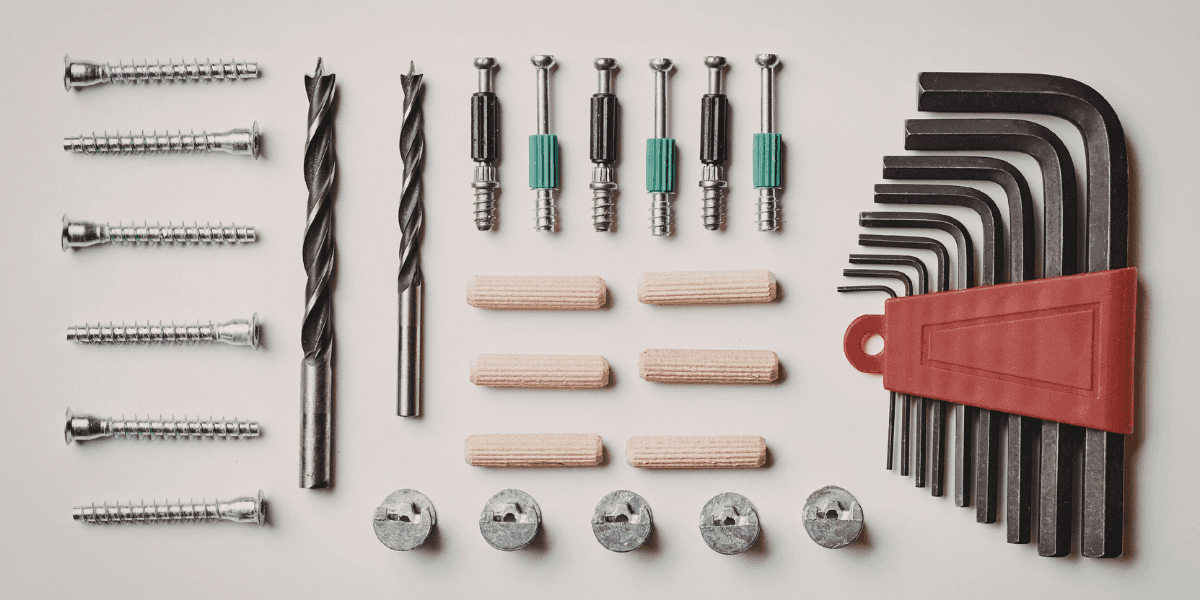
A strong tool paired with weak accessories still performs like a weak setup. Accessories are consumables, but that doesn’t mean they’re interchangeable.
When selecting accessories, focus on:
Material match (wood, metal, masonry, composites)
Duty cycle (short bursts vs continuous cutting/grinding)
Heat management (coatings, tooth geometry, abrasive type)
Fit and alignment (reduces vibration, improves finish)
For example, using high-quality bits for clean cuts is not a minor detail. It affects speed, hole quality, and the life of the tool itself. The same is true with abrasives: the wrong wheel or sanding product can load up, glaze, or chew through material unevenly.
Stocking the right accessory range also keeps crews from improvising. Improvisation is where broken tools and injuries tend to appear.
A practical checklist for selecting industrial tools in Boise
If you want a simple way to pressure-test a purchase decision, run through this list:
Need and usage: daily heavy-duty, production line, jobsite, or occasional?
Build quality: hardened steel/high-carbon steel where it counts, durable housings, tight tolerances
Ergonomics: grip, vibration, control layout, balance
Safety: guards, shutoffs, standards for the category
Compatibility: existing accessories, fittings, platforms, and equipment
Support: warranty clarity, replacement speed, local help when something goes sideways
Value: maintenance, downtime risk, consumables, lifespan
This keeps the conversation grounded and prevents “spec-sheet shopping” that doesn’t match real conditions.
Conclusion:
The right industrial tools and accessories do two things well: they perform consistently, and they reduce surprises. When you select based on usage, material quality, ergonomics, safety, and compatibility, you end up with a setup your team trusts. That trust shows up in pace, accuracy, and fewer delays.
If you’re buying tool supply in Boise and want a second set of eyes on what will fit your application, we can help you dial it in. Kowallis & Richards has supported Boise and Idaho crews with industrial fasteners, tools, abrasives, safety gear, pneumatics, and the jobsite essentials that keep work moving, backed by delivery across the Treasure Valley.
If you want help choosing the right tools, abrasives, safety gear, or accessories for your crew, contact us.
FAQ:
How do you select the appropriate tools?
Start with the work itself: material type, environment, and how often the tool will be used. Then evaluate build quality, ergonomics, and safety features. Finally, confirm compatibility with your existing accessories and equipment so you don’t create a second system that complicates your inventory.
How do I choose the right tool?
Pick the tool that fits your duty cycle and the outcomes you need. For frequent heavy use, prioritize durable construction and higher-quality materials. For precision work, prioritize accessories that deliver clean, accurate results. If downtime is costly, focus on local availability and support so replacements and consumables are easy to get.
What are 5 safety tips?
Use the right tool and accessory for the material and application. Mismatched bits, blades, or wheels increase kickback, binding, and breakage.
Inspect tools before use. Check for cracks, loose guards, frayed cords, air leaks, worn batteries, and damaged fittings.
Wear the right PPE for the task. Eye protection is the baseline; add hearing, gloves, and respiratory protection when cutting, grinding, or using chemicals.
Control the workpiece and the work area. Secure material, keep footing stable, and clear clutter so the tool doesn’t catch or shift unexpectedly.
Disconnect power/air before adjustments. Unplug, remove the battery, or shut off and bleed air pressure before changing blades or bits or servicing the tool.

Looking for more than just parts?
Explore how our services are reshaping what support means in this industry.