Cutting Tools for Precision Manufacturing: Choosing End Mills, Drill Bits & Taps That Boost Tool Life
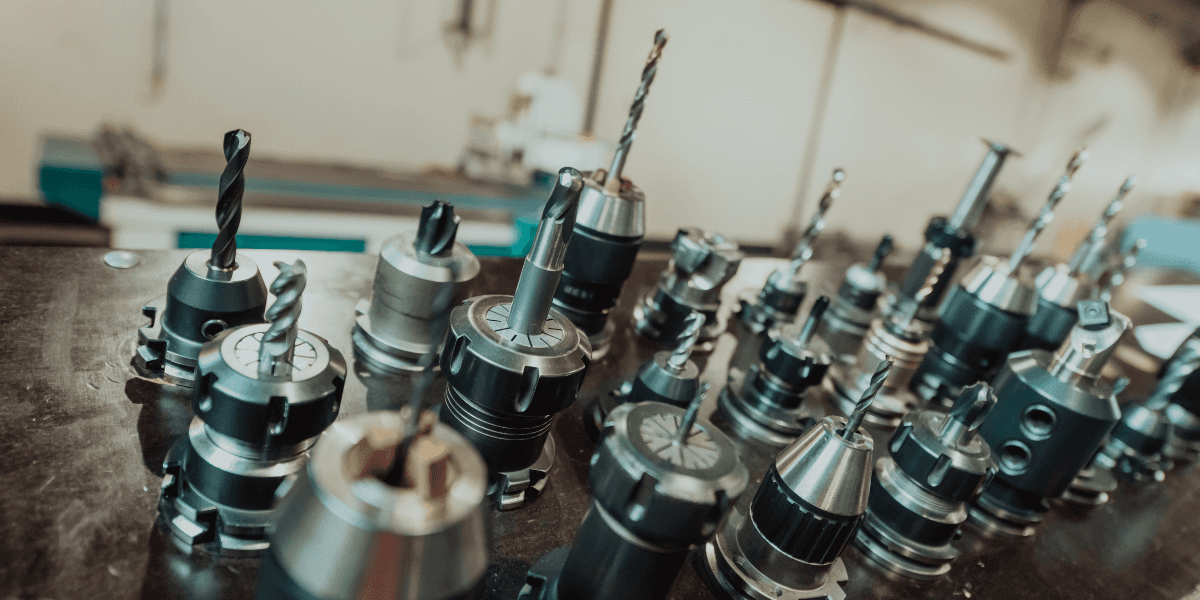
When it comes to precision manufacturing, it’s a delicate dance of microns, surface finish, and repeatability. The cutting tools you choose can make all the difference between success and failure in this field. If the tool is wrong for the material, geometry, or toolpath, you’ll see it fast: chatter, built-up edge, poor finish, undersized holes, broken taps, and tool life that feels like it evaporates.
The good news: improving outcomes usually comes down to a few controllable choices: tool material (carbide vs HSS), geometry (helix, corner radius, flute design), coating (TiAlN, AlTiN, etc.), coolant strategy, and speeds/feeds. In this guide, we’ll break down how to choose end mills, drill bits, and taps/thread mills for precision work, plus the practical strategies that consistently boost tool life in CNC machining.
If you’re sourcing industrial cutting tools for CNC milling, drilling, or threading, this is the decision framework you can reuse job after job.
Why cutting tool selection matters in precision manufacturing
In precision parts, it’s not enough to “make chips.” You need:
Stable cutting forces (less deflection = tighter tolerances).
Controlled heat (heat causes wear, size drift, and poor finish).
Clean chip evacuation (chips re-cutting = edge chipping and breakage).
Predictable tool wear (planned tool changes > surprise failures).
When tool selection aligns with the workpiece material and cutting conditions, you get longer tool life, better finishes, and fewer scrap parts, especially in high-mix CNC environments.
End mills for precision machining (and how to choose the right one)
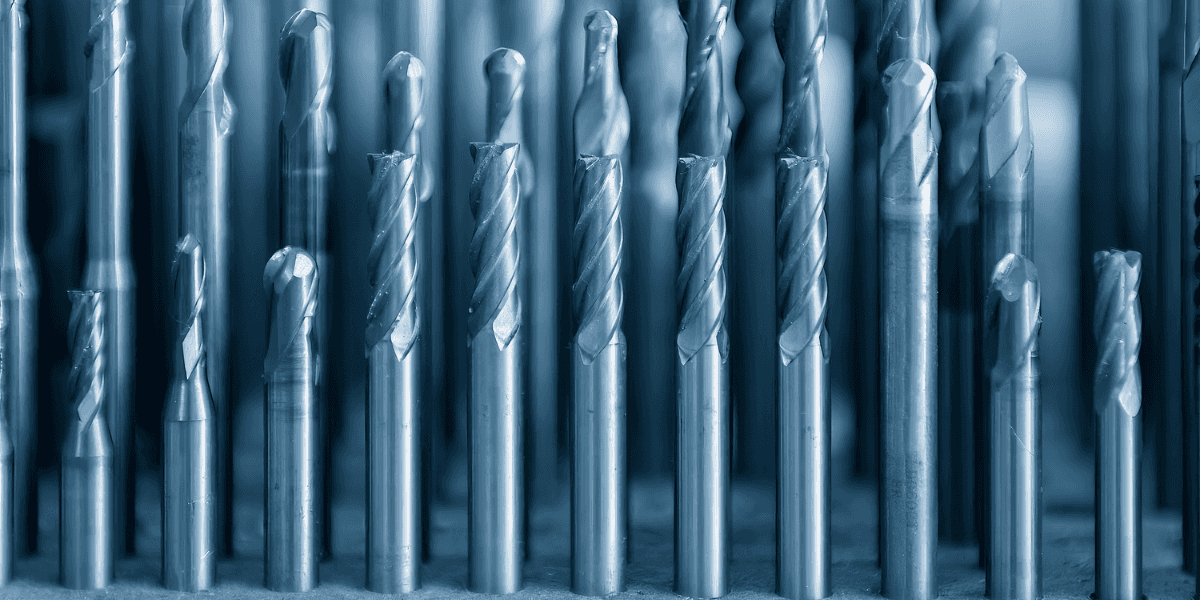
End mills are your primary weapon for profiles, pockets, slots, contours, and finishing passes. For precision manufacturing, the “right end mill” is rarely just a diameter choice; it’s about edge strength, chip load, and stability.
1) Corner Radius End Mills (stronger edges, longer life)
A corner radius end mill blends the best of flat end mills (good floor finish) with improved durability. That tiny radius strengthens the cutting edge and reduces chipping, especially when you’re machining harder alloys or you have intermittent cuts.
When to choose a corner radius:
Stainless steel and tool steels.
Pocketing where the tool hits corners repeatedly.
Finishing passes where edge chipping would ruin the surface finish.
When tool life is more important than perfectly sharp internal corners.
Tool life win: stronger edge = fewer micro-chips = more consistent finishes over longer runs.
2) Tapered End Mills (deep cavities, molds, and rigidity)
A tapered end mill shines in deep cavities because the taper increases tool stiffness. In mold and die machining, where you need depth and accuracy, this matters a lot.
When to choose tapered:
Mold cavities.
Deep features with long reach.
When chatter appears with standard straight tools.
Tool life win: reduced deflection and vibration = less edge wear and better accuracy.
3) High-Helix Carbide End Mills (especially strong for aluminum)
A high-helix carbide end mill is a go-to for aluminum and other non-ferrous materials because it evacuates chips aggressively. That reduces heat and helps prevent built-up edge (BUE), the gummy welding of aluminum to the cutting edge that destroys finish and tool life.
When to choose high-helix:
Aluminum and aluminum alloys.
High-feed machining, where chip evacuation is a bottleneck.
Parts prone to re-cutting chips (pockets, deep slots).
Tool life win: better chip evacuation = lower heat + fewer chips re-cut = less wear.
4) Coating selection (match coating to material and heat)
Coatings aren’t just “premium,” they’re functional. The best coating depends on whether heat is your enemy (it usually is) and what material you’re cutting.
TiAlN (Titanium Aluminum Nitride): strong heat resistance; commonly used for stainless steel and tougher alloys.
Coated carbide tools: generally improve wear resistance and reduce heat damage.
For aluminum, many machinists prefer polished/uncoated or purpose-built coatings to reduce BUE geometry, and surface finish matters as much as coating here.
Rule of thumb: if the job runs hot, a coating that handles heat well is usually worth it, provided your geometry and feeds are correct.
5) Toolpath strategy: climb milling for better life and finish
In CNC milling, climb milling (also called down milling) typically reduces cutting edge load and improves surface finish because the chip starts thick and ends thin, reducing rubbing.
Why climb milling help tool life:
Less rubbing = less heat.
More stable cutting forces (depending on setup rigidity).
Often better finish on finishing passes.
Quick note: On older machines or flexible setups, conventional milling can sometimes feel “safer.” But for most modern CNCs with good backlash control, climb milling is the standard for tool life and finish.
Drill bits and hole making: precision starts before the tap ever enters
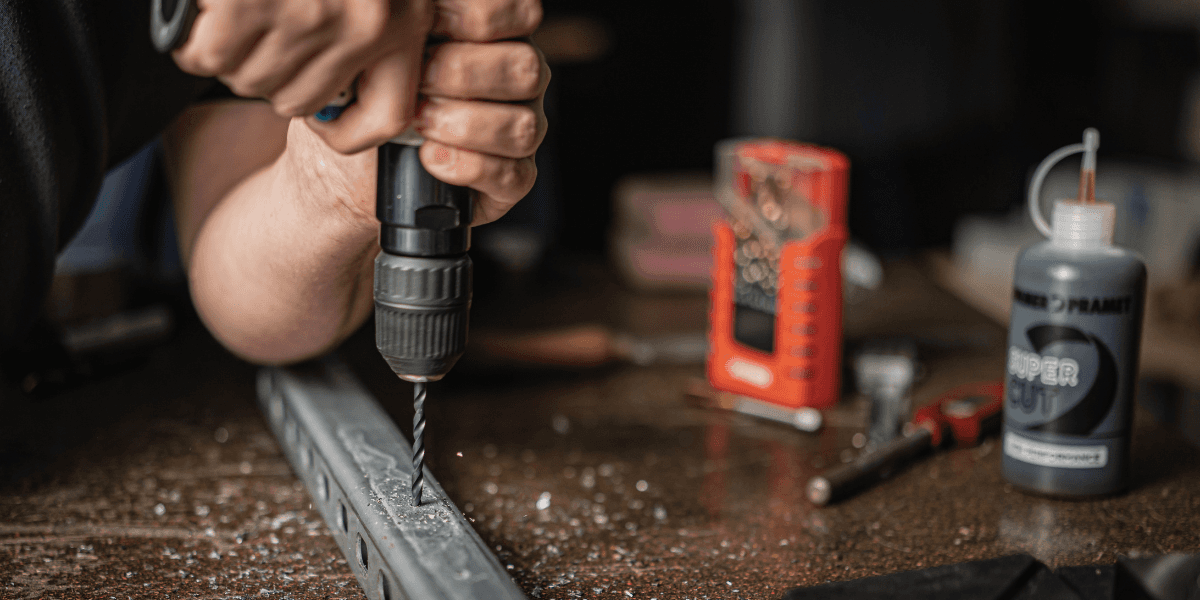
Hole quality affects everything: press fits, alignment, thread engagement, and final inspection. The biggest mistakes we see in precision drilling are wrong tool material, poor chip evacuation, and skipping the right hole-finishing step.
1) Carbide drills vs HSS: why carbide wins in harder materials
Carbide drills offer much longer tool life and better performance than HSS drill bits, especially in harder materials or high-volume runs. Carbide is stiffer, holds an edge longer, and can run faster when the setup is stable.
Choose carbide drills when:
Material is hard/tough (stainless, alloy steels).
You need a consistent hole size over long runs.
Cycle time matters.
Your machine and fixturing are rigid.
Choose HSS when:
You need flexibility for lower-cost, low-volume jobs.
Workholding/machine is less rigid.
You’re drilling softer materials with conservative parameters.
2) Reamers: the step that makes tight tolerances realistic
A drill makes a hole, but a reamer makes a precise hole, especially when tolerances and surface finish requirements are strict.
Use reamers when:
You need a tight diameter tolerance.
You need an improved surface finish.
The hole will be used for dowel pins, bearing seats, or precision alignment.
Workflow tip: drill undersize → bore/spotface → ream to size. This reduces variation and improves consistency across batches.
3) Chip management and coolant flow (the silent cause of drill failure)
A common cause of premature drill failure is chip re-cutting. Chips trapped in the flutes increase heat, raise torque, and can lead to sudden breakage.
To improve chip control:
Ensure coolant reaches the cutting edge (through-coolant if possible).
Use peck cycles when needed (especially for deeper holes).
Match drill geometry to material.
Monitor chips: long stringers signal trouble (feeds/speeds/coolant need adjustment).
Taps and threading: taps vs thread mills (and when each is best)
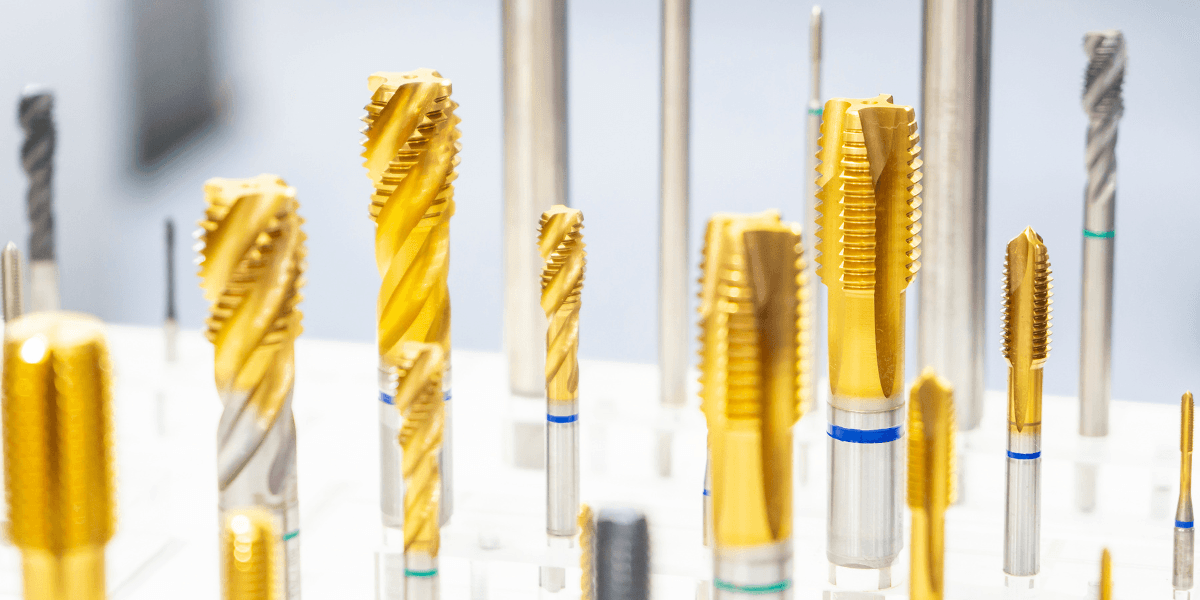
Threading can be easy until it isn’t. Broken taps are one of the fastest ways to lose time, scrap parts, and risk damaging fixtures. Your best choice depends on hole depth, material, and CNC capability.
1) Thread mills: CNC-friendly, flexible, and low breakage risk
Thread mills are often preferred in CNC machining because:
Lower risk of catastrophic breakage compared to taps.
Ability to adjust thread size by changing the toolpath.
Better control in harder or gummy materials.
Useful for larger diameters and harder-to-tap materials.
Best for:
CNC shops running mixed materials.
Expensive parts where a broken tap is unacceptable.
Blind holes where chip evacuation is difficult.
Larger threads or harder alloys.
2) Taps: fast, simple, and efficient for shallower holes
Taps are still excellent when conditions are right, especially for faster threading in shallow holes and production environments.
Best for:
Shallow through holes.
Stable materials that tap cleanly.
High-speed production where cycle time is king.
Caution: once a tap breaks, you’re in damage-control mode. That’s why lubrication, correct hole size, and good chip control are non-negotiable.
3) Lubrication: essential for friction and binding control
Threading is high-friction by nature. Good lubrication helps:
Reduce heat and friction.
Prevent galling in sticky materials (like some stainless grades).
Reduce the chance of tool binding and breakage.
Even with good tooling, poor lubrication is one of the quickest paths to inconsistent threads and tap failure.
Key strategies to boost cutting tool life (the practical checklist)
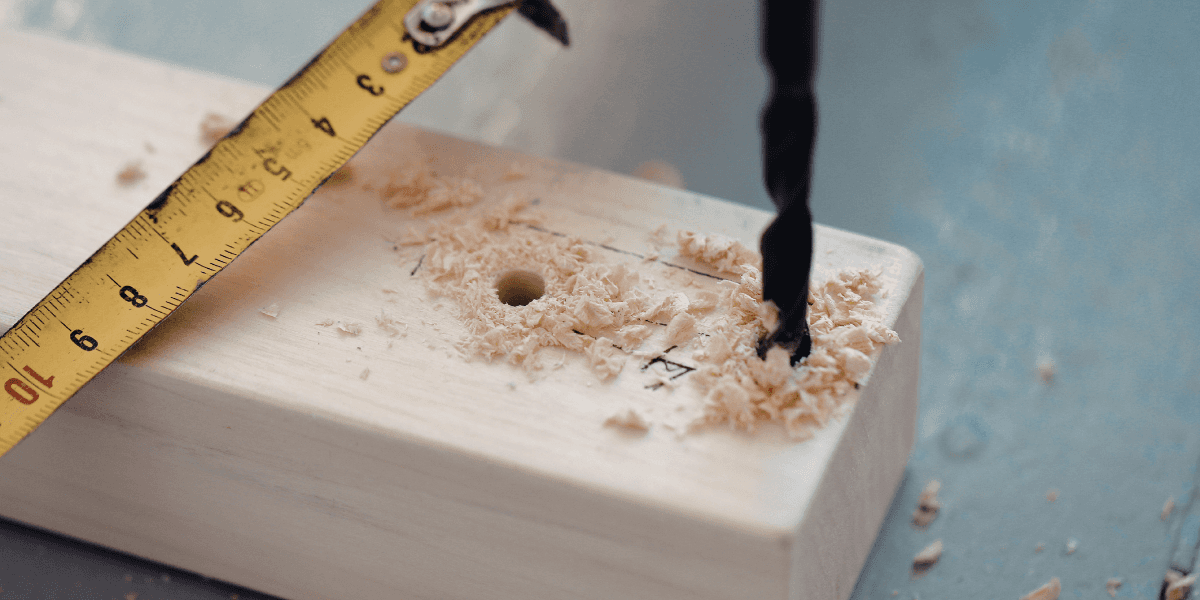
Here are the biggest levers you can pull to extend tool life in CNC machining:
Match the tool material + coating to the workpiece material
Hard/tough materials usually benefit from coated carbide tools.
Don’t assume one coating fits all; match the heat resistance and friction needs of the material.
Optimize speeds and feeds (don’t “wing it”)
Follow manufacturer starting points, then tune based on:
Chip shape.
Sound/vibration (chatter).
Tool wear pattern.
Surface finish and dimensional results.
Too slow can be as harmful as too fast rubbing generates heat and kills edges.
Use gentle entry/exit moves in CAM
Hard plunges and sharp direction changes shock the cutting edge. Use:
Ramped entries.
Helical interpolation (when appropriate).
Smooth lead-ins/lead-outs.
Avoid stopping in the cut.
Improve chip evacuation and coolant strategy
Tool life often improves dramatically when chips stop re-cutting:
Use appropriate coolant or air blast, depending on the material.
Keep chips from packing in pockets and deep holes.
Consider toolpaths that evacuate chips efficiently.
Monitor wear and change tools before failure
In precision manufacturing, planned tool changes protect:
Part tolerance.
Surface finish.
Spindle health.
Set up time and throughput.
A worn tool doesn’t just risk breaking, but slowly drifts in dimensions and quietly increases scrap.
Wrap-up: picking the right cutting tools is how we protect accuracy and uptime
When we match the end mill geometry, drill strategy, and threading method to the workpiece material and back it up with smart feeds/speeds and chip control, we get what precision manufacturing demands: repeatability, better finishes, and longer tool life.
Have a tooling question? Contact us for the right cutting tool recommendation for your job.
FAQ:
Which tool is used for the precision cutting of material?
It depends on the operation: end mills for precision profiles/pockets, carbide drills + reamers for precision holes, and thread mills or taps for precision threads. In general, carbide cutting tools are the most common choice for high-precision CNC work due to their stiffness and wear resistance.
How to increase cutting tool life?
Increase tool life by matching tool material/coating/geometry to the workpiece, using optimized speeds and feeds, improving chip evacuation, applying correct coolant/lubrication, using climb milling where appropriate, and programming gentle entry/exit moves to reduce shock loading.
How to decide on tool life?
Tool life is often decided by a combination of:
Manufacturer guidance (baseline)
Your target wear limit (e.g., flank wear threshold)
Required tolerance and surface finish
Real-world monitoring (parts count, wear inspection, spindle load trends)
In precision work, many shops change tools based on measured wear or predictable run time, not “run until it breaks.”
What are the 5 basic tools?
In machining contexts, “basic tools” can vary, but a common practical set for CNC metal cutting includes: end mills, drills, reamers, taps/thread mills, and turning inserts.
What is the difference between a milling cutter and an end mill?
A milling cutter is a broad category of cutters used in milling (face mills, slab mills, side-and-face cutters, etc.). An end mill is a specific type of milling cutter designed to cut with both the side and the end, making it ideal for slots, pockets, and contouring in CNC machining.
What are quality tools in manufacturing?
When it comes to cutting tools, quality is key. You want tools that provide consistent dimensions, reliable performance, predictable wear, and a great finish. This quality is usually backed by trustworthy material specifications, like carbide grade, the right coating, tight tolerances, and geometry tailored for specific applications. Remember, “quality” also means choosing the right tool for your material and process—not just the one with the highest price tag.

Looking for more than just parts?
Explore how our services are reshaping what support means in this industry.