Power Tools Supplier Boise: Choosing the Best Tools for Heavy-Duty Work
When a power tool fails on a heavy-duty job, it rarely fails at a convenient time. It dies halfway through a core hole, bogs down on a long rip cut, or starts throwing heat and vibration the moment the work gets real. In Boise, that kind of breakdown doesn’t only cost you a tool. It costs crew time, throws off sequencing, and can turn a clean schedule into a patchwork of delays.
Buying heavy-duty tools is really about reducing risk. You want equipment that can take daily abuse, hold accuracy under load, and stay serviceable when it finally does need parts or support. That’s where working with a local supplier helps. At Kowallis, we’ve supported Idaho crews. Many people know us for fasteners, but we also stock and source the industrial essentials that keep jobs moving, including tools, cutting tools, fabrication, abrasives, safety and fall protection, pneumatics, hardware, and construction supplies. When you’re trying to keep a jobsite or a shop running, it’s easier to buy tools in the same place you’re already buying the accessories, consumables, and hardware those tools depend on.
This blog walks through what to look for when you’re choosing heavy-duty power tools in Boise, which tools matter most for tough work, and how to build a setup that stays reliable under pressure.
Start with the work: “heavy-duty” means different things in different trades.
The term “heavy-duty” gets thrown around a lot. In practice, it comes down to duty cycle and environment.
A framing crew running nailers all day needs tools that handle repetitive use and jobsite dust. A fabrication shop needs grinders and saws that can cut metal cleanly without overheating. A maintenance team needs drills and impact tools that hold up across constant repairs and installs. Each of those groups can burn through consumer-grade tools quickly, even if the tools look impressive on a store shelf.
Before you pick a model or a brand, define a few basics:
What material are you working with most: wood, concrete, steel, masonry, or mixed?
How often will the tool run per day, and for how long at a stretch?
Are you working indoors, outdoors, or both?
Do you need portability across a big jobsite or steady power at a bench?
Once those answers are clear, the rest of the decision becomes less about marketing and more about fit.
Power and capacity: the specs that actually matter on tough jobs
For heavy-duty work, “power” isn’t a single number. You’re looking for a tool that keeps torque and speed under load, without stalling, overheating, or chewing through batteries.
A few specific areas that deserve attention:
Drill capacity and real-world performance
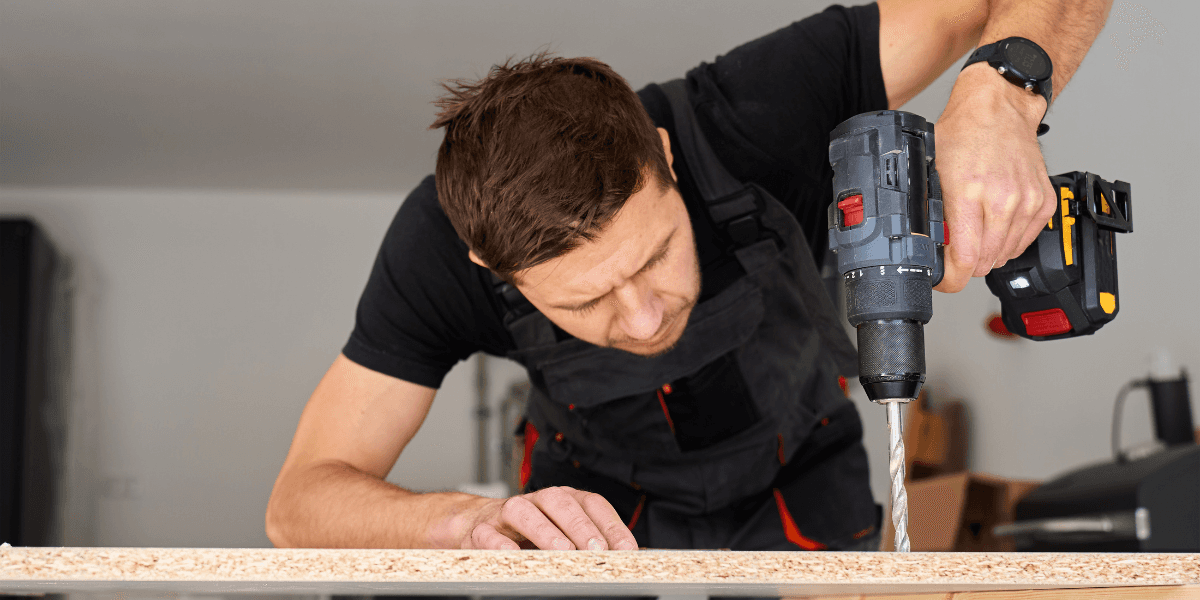
On job sites and in maintenance settings, a drill that can’t handle tough materials turns into wasted time fast. For heavy-duty drilling, 13 mm (1/2-inch) capacity is a common benchmark for drills that are expected to do serious work. The bigger issue is whether the tool maintains performance when you’re pushing it, not only what it can do on a clean demo bench.
Voltage and torque for high-resistance tasks
Higher voltage platforms often help when you’re drilling into dense material, driving large fasteners, or cutting thicker stock. It’s not a blanket rule that “higher is always better,” but you’ll usually feel the difference when the work gets demanding.
Heat management
Heat is the silent tool killer. When tools overheat, motors wear out faster, batteries drain faster, and accessories fail sooner. That’s why tool design and accessory selection go together. A solid tool paired with the wrong blade, bit, or abrasive will still run hot and short.
Brushless motors: why they’ve become the standard for heavy use
If you’re buying tools for frequent, intensive work, brushless motors are hard to ignore. They tend to run cooler, last longer, and use power more efficiently. That matters on long shifts and in environments where the tool is constantly being asked to do real work, not light punch-list tasks.
Brushless also helps cordless tools compete in applications that used to require cords. That doesn’t mean corded tools are obsolete, but it does mean cordless can be a legitimate choice for many heavy-duty jobs without feeling like a compromise.
Cordless vs. corded: pick based on workflow, not preference.
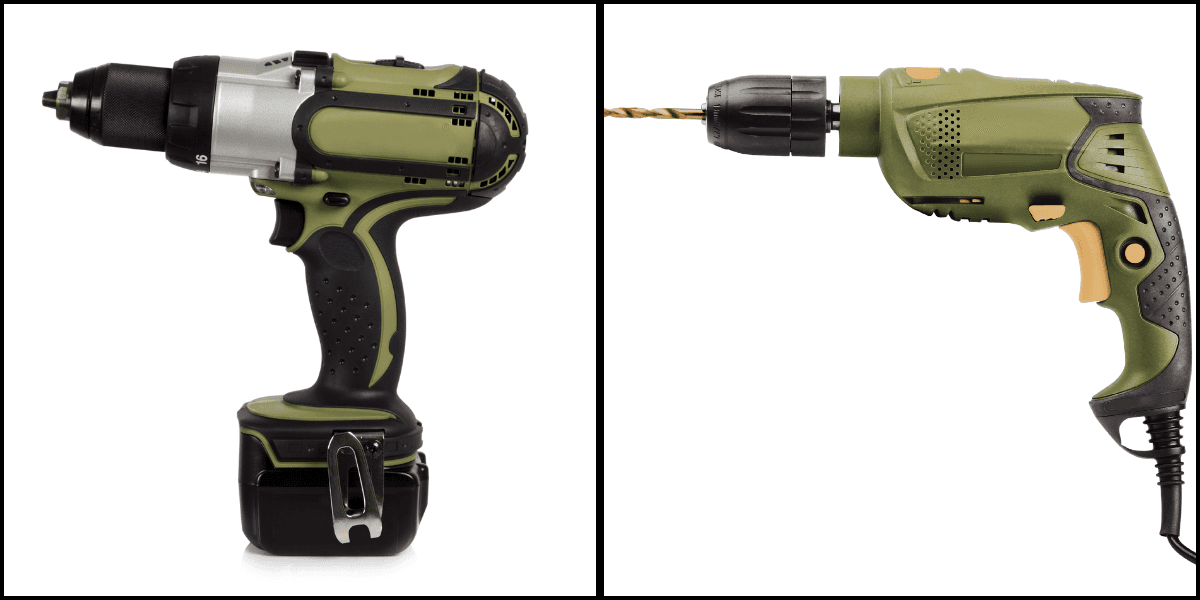
This decision gets framed like a debate, but it’s usually a workflow question.
Cordless makes sense when:
You’re moving constantly around a site or facility.
Access is awkward: ladders, lifts, tight mechanical spaces
Power availability is inconsistent or inconvenient.
You’re standardizing on a battery platform across the crew.
Corded still earns its place when:
You’re running long, continuous cuts or grinding sessions.
The tool will live at a station or in a shop area.
You need steady output without battery swaps.
The application is consistently high-load.
A practical approach many teams use: cordless for most daily tasks and corded for the jobs that run hot and long. That combination can protect both your productivity and your tool budget.
Ergonomics: heavy-duty tools still need to be usable all day.
“Built tough” doesn’t automatically mean “good to use.” Heavy-duty tools often weigh more, vibrate more, and put more strain on wrists and shoulders. If you’ve ever run an angle grinder for hours, you know the difference between a tool that feels stable and one that feels like it’s fighting you.
Look for design features that support long-duration work:
Handle shape and grip texture that stays secure with gloves
Better balance, so the tool doesn’t feel nose-heavy
Lower vibration where possible
Controls that are easy to operate repeatedly
Ergonomics shows up in speed and quality. A tired operator slows down and loses precision. That’s not a character flaw; it’s physics.
The heavy-duty tools worth prioritizing (and why)
If you’re outfitting a crew or upgrading a shop, these categories tend to deliver the biggest impact.
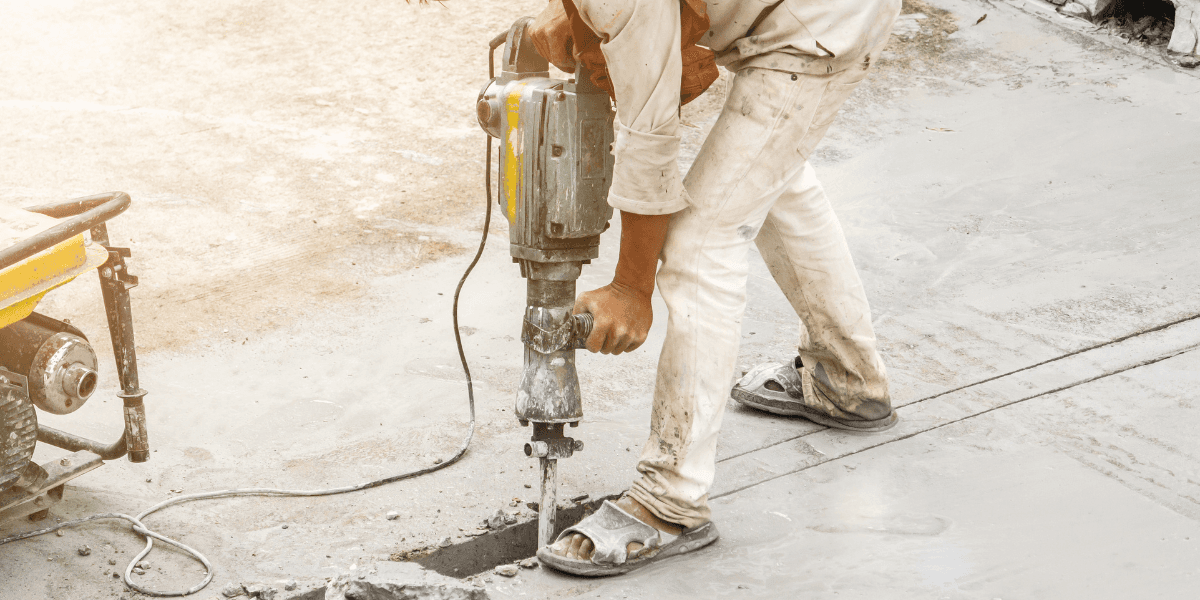
Hammer drills and rotary hammers
For drilling into masonry and concrete, a standard drill often becomes an exercise in frustration. Heavy-duty drilling needs the right tool for the job, plus the right bits. If you’re doing anchors, penetrations, or concrete work regularly, this is a category to invest in.
Angle grinders
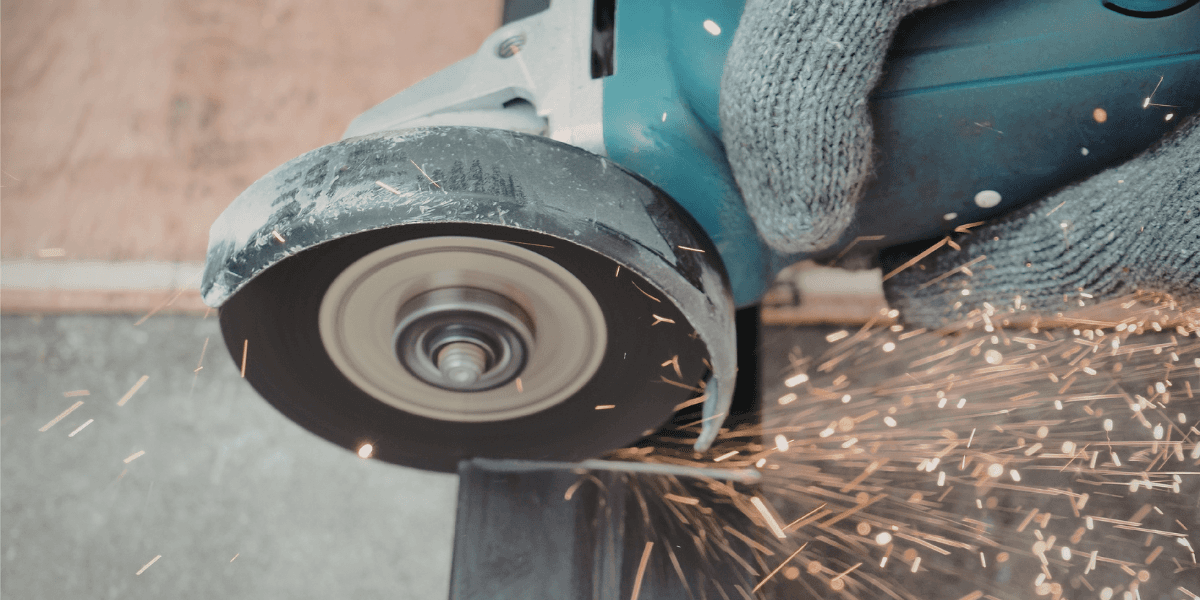
Grinders do a lot: cutting, grinding, shaping, cleanup, and surface prep. They also run hot and put accessories under stress. Pairing a grinder with the perfect abrasives is just as important as picking the tool itself. The wrong wheel can load up, glaze over, or wear unevenly, and the tool takes the hit.
Circular saws and cutting tools
Heavy-duty cutting is about clean, repeatable results. A saw that wanders or burns through material slows everything else down. Match the tool to the cut and the material, and keep blades on hand that are built for the work you actually do.
Pneumatic nail guns
For framing and roofing workflows, pneumatic tools can still be a powerhouse option. They’re fast, consistent, and built for repetition. The support system matters here: pneumatics, hoses, fittings, and maintenance supplies are what keep these tools reliable.
Accessories and consumables: where performance is won or lost
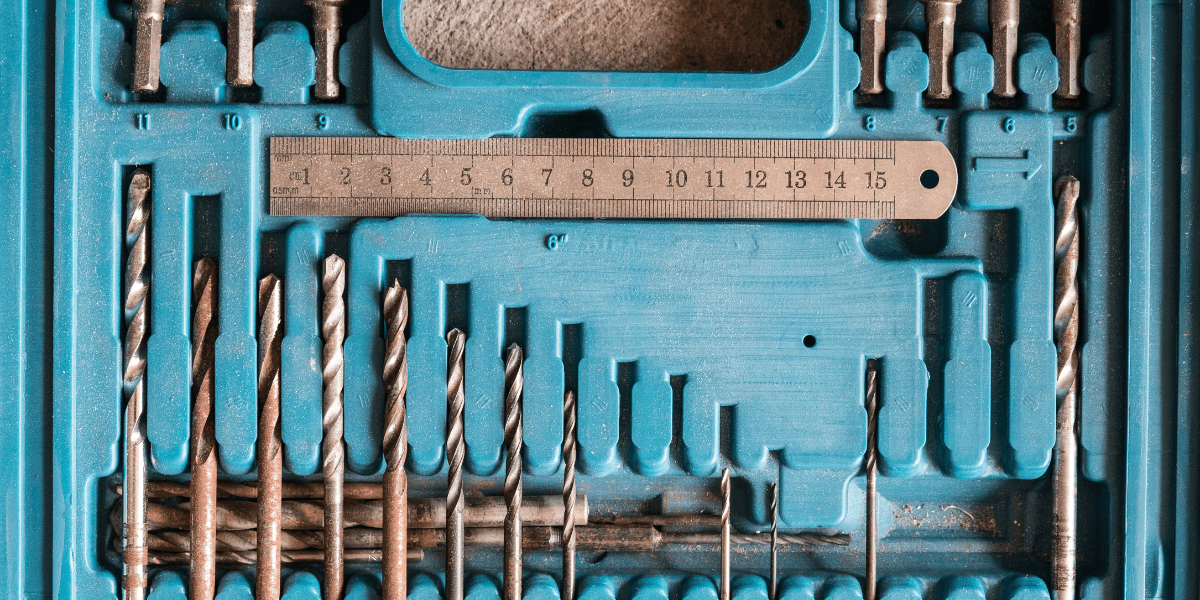
This is the part that gets skipped during tool shopping and then becomes the reason the new tool “doesn’t feel that strong.”
Heavy-duty work demands heavy-duty consumables:
Bits that stay sharp and track straight
Blades that match material and thickness
Abrasives that cut cleanly instead of glazing or shedding
Proper fittings and hoses that prevent air loss in pneumatic setups
If you’re buying your tools locally, it’s easier to keep the accessory pipeline steady. That matters in Boise because delays often hit at the wrong time. When your crew is ready to run and you’re waiting on a specific blade or fitting, the schedule doesn’t care why.
At Kowallis, those accessory categories are part of the day-to-day: abrasives, cutting tools, fabrication, pneumatics tools, hardware, and the jobsite staples crews reach for constantly.
Supplier considerations in Boise: what local support looks like in real life
You can buy tools from big national retailers, and sometimes that works fine. For heavy-duty work, the difference often comes down to responsiveness and consistency.
A local supplier can help with:
Matching the tool to the job rather than pushing a generic “top seller”
Keeping accessories and consumables aligned with what you already use
Getting critical supplies to the job quickly when the plan changes
Kowallis & Richards supports Treasure Valley teams with delivery within the area, including to jobsites, offices, and facilities. That solves a simple problem that costs a lot of time: the supply run that pulls a foreman or tech off the work.
A quick selection framework for heavy-duty power tools
If you want one way to sanity-check a tool purchase, run through this list:
Duty cycle: daily use, intermittent use, or occasional heavy tasks
Material match: wood, concrete, steel, masonry, mixed applications
Power under load: torque, heat control, stall resistance
Motor type: brushless for high-frequency heavy use
Platform: battery compatibility and charger availability across the crew
Ergonomics: weight, balance, vibration, controls
Accessory ecosystem: blades, bits, abrasives, fittings, service parts
Support plan: warranty, local availability, replacement speed
This keeps you out of the trap of buying based on hype and ending up with a tool that’s “good” but wrong for your work.
Conclusion:
Heavy-duty tools are a productivity decision. When you choose tools built for your workload, pair them with the right accessories, and keep your consumables stocked, jobs run smoother. You get cleaner results, fewer breakdowns, and fewer delays caused by missing parts.
If you’re looking for a power tools supplier in Boise and want help lining up the right setup for construction, manufacturing, or maintenance work, Kowallis & Richards can help you build a tool list that fits your crew and your schedule. We’ve supported Idaho industries, and we stock the categories that keep work moving: tools, abrasives, cutting tools, fabrication, pneumatics, safety and fall protection, hardware, and construction supplies.
Contact us to get the right heavy-duty power tools and accessories for your Boise job.
FAQ:
What power tools are essential for heavy-duty construction work?
Most crews prioritize a solid drill/driver platform, an impact driver, a hammer drill or rotary hammer for concrete work, an angle grinder for cutting and prep, and a circular saw for repeatable cuts. The exact mix depends on your trade, but those tools cover the majority of daily heavy-use tasks.
Are brushless cordless tools strong enough for heavy-duty jobs?
For many applications, yes. Brushless cordless tools are efficient, run cooler, and hold up well under frequent use. Corded tools still make sense for continuous high-load work, but cordless can handle a large percentage of heavy-duty tasks when you choose the right platform and keep batteries sized for the workload.
How do I choose the right accessories for heavy-duty tools?
Match accessories to the material and the task first, then match them to the tool’s specs (size, speed rating, connection type). High-quality bits, blades, and abrasives reduce heat, cut cleaner, and secure the tool from unnecessary strain.

Looking for more than just parts?
Explore how our services are reshaping what support means in this industry.