Industrial Hardware Boise: What You Need for Construction & Manufacturing Projects
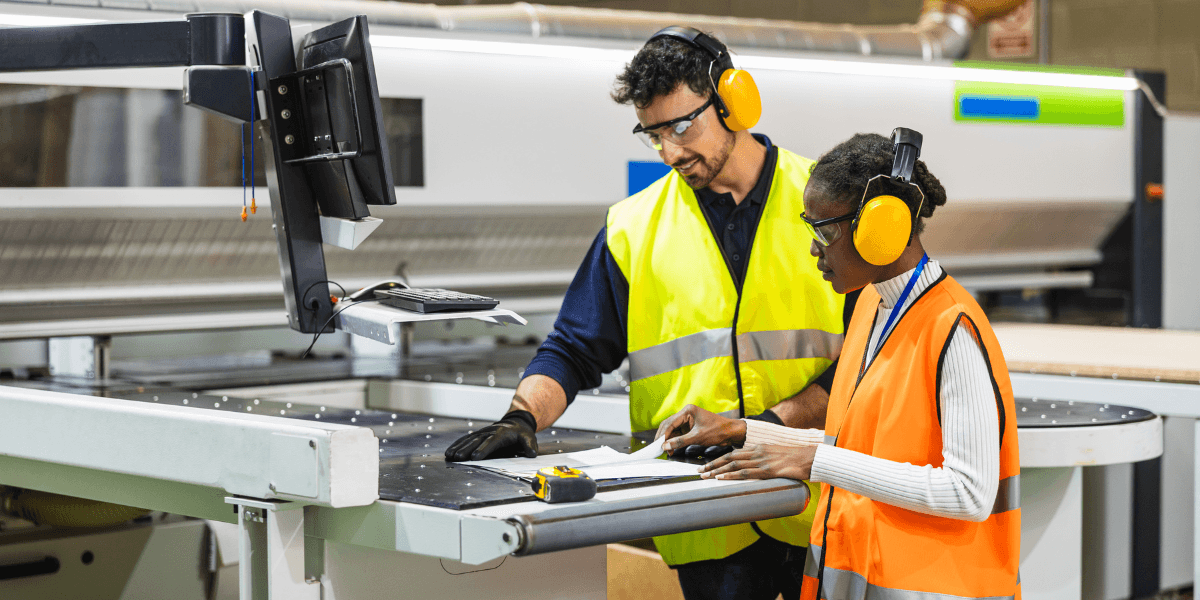
If you run jobs in Boise, you already know how quickly a project can stall over something small. A missing anchor, the wrong bolt grade, a washer that doesn’t match the spec, or a tool that can’t hold up to daily use can cost hours. On construction sites and in manufacturing plants, industrial hardware isn’t background detail. It’s the stuff that keeps schedules intact, equipment running, and crews working safely.
At Kowallis, we’ve supplied industrial hardware and fasteners in Boise. A lot of people still think of us first for fasteners, and that reputation is earned. At the same time, our product mix has grown with what Idaho crews actually need: tools, cutting tools and fabrication supplies, abrasives, safety and fall protection, pneumatics, adhesives, sealants, and tape, chemicals and paints, hardware, construction supplies, and day-to-day MRO essentials. When you’re trying to keep work moving, having a local supplier who understands the whole picture makes a real difference.
This blog lays out what belongs on your industrial hardware list for construction and manufacturing projects in Boise, plus a practical way to pick the right products without overbuying or cutting corners.
Why industrial hardware matters on Boise jobs
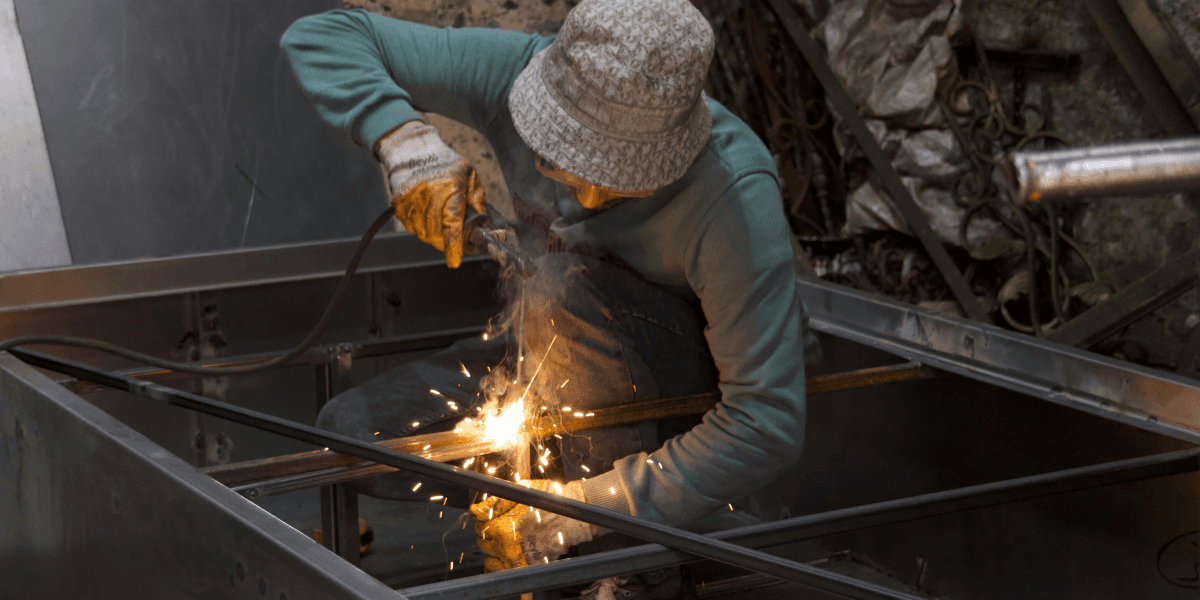
Industrial hardware does two jobs at once. It holds things together, and it reduces risk. On construction projects, hardware supports structural integrity, code compliance, and long-term durability. In manufacturing and maintenance, hardware keeps machines aligned, prevents vibration-related failures, and supports consistent output.
The Boise market adds its own pressure. Lead times can be tight, crews can be spread across the Treasure Valley, and downtime tends to ripple. When a line is stopped or a crew is idle, the cost climbs fast. That’s why quality parts and reliable availability matter as much as the initial purchase price.
The core categories: what to stock for construction and manufacturing
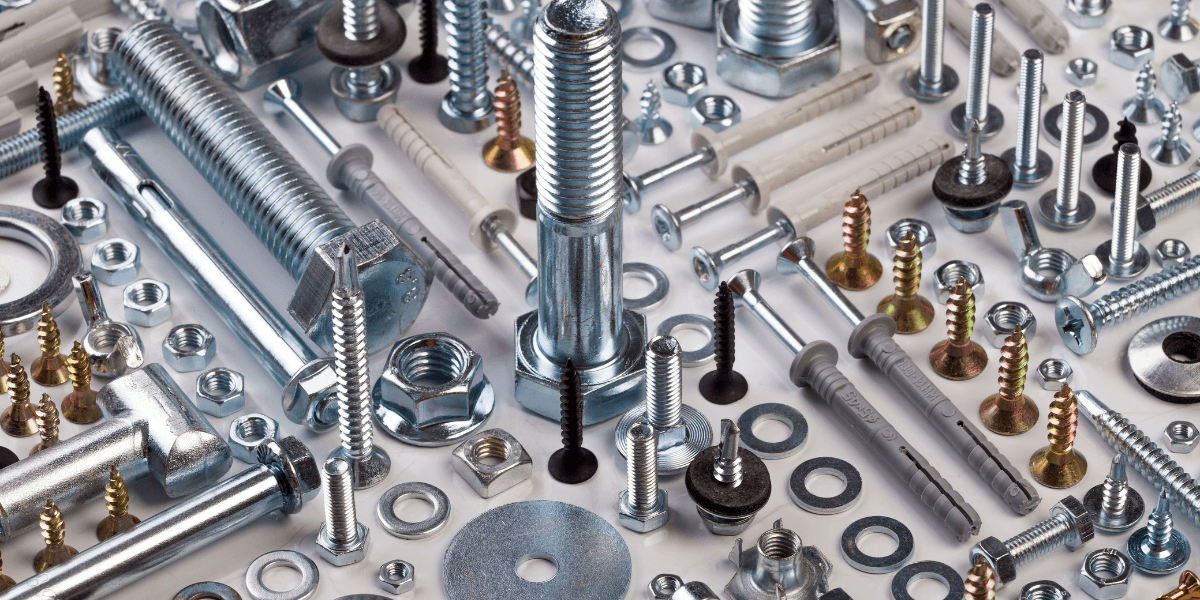
Most project lists vary by trade and facility, but the basics don’t change. If you’re building out a standard “job-ready” supply plan, start here.
1) Fasteners and structural components
Fasteners are the backbone of industrial hardware. They show up everywhere: steel connections, equipment mounting, enclosures, frames, guardrails, racks, conveyors, and countless other assemblies.
For construction, a typical fastener and structural hardware mix often includes:
Nuts, bolts, and washers in the right grades for the application
Screws for framing, finishing, and equipment fastening
Anchors for concrete and masonry connections
Structural hardware used across builds, depending on the scope
In manufacturing and MRO environments, the focus shifts slightly toward:
Replacement fasteners for machines and assemblies
Hardware that holds alignment under vibration
Consistent sizing and thread standards to reduce mix-ups
Quality matters here because fasteners fail in predictable ways: stretching, loosening, corrosion, and fatigue. Choosing the correct grade and material up front protects the structure or machine and reduces rework later.
A practical tip: treat fasteners as a spec-driven purchase. If a drawing calls for a certain grade, coating, or material, match it. Substituting because “it looks close” is how you get callbacks, failed inspections, or premature wear in equipment.
2) Tools crews actually rely on
Fasteners don’t install themselves. The right tools, paired with the right accessories, keep work clean and consistent.
For construction teams, common staples include:
Hammers, pry bars, measuring and layout tools
Wrenches, sockets, and drivers
Saws and cutting tools that match wood, metal, or masonry tasks
Concrete and demolition tools for heavy site work
For manufacturing and maintenance shops, you’ll usually see a heavier emphasis on:
Precision hand tools for adjustment and assembly
Tools designed for repetitive daily use
Torque control where it matters
Repair-friendly options that hold up under shop conditions
When you’re selecting tools for industrial work, durability and ergonomics go together. A tool that lasts but beats up the user slows the whole team down. Look for tools with comfortable grips, solid build quality, and accessories that are easy to replace.
Kowallis supports this side of the list too. Alongside fasteners and hardware, we carry product categories like Tools, Cutting Tools, Fabrication, and Abrasives because crews need the full system, not only the parts.
3) Cutting tools, fabrication supplies, and abrasives
This is where job quality can rise or fall quickly. Cutting and grinding are high-impact tasks. Poor accessories waste time and can create safety issues.
A solid inventory plan usually includes:
Drill bits designed for the material you work with
Blades matched to the tool type and cutting application
Grinding and sanding products that cut cleanly and don’t glaze over
Fabrication essentials that support repeatable work
Precision matters. A high-quality bit gives you a cleaner hole with less wandering and less heat. A better abrasive cuts consistently and reduces rework. These small differences show up in finished quality and in how long your tools last.
4) Pneumatics, hose, and fittings
Pneumatic tools and air systems are common in shops and on jobsites. In manufacturing, they can also support automation and process equipment.
Hardware buyers often need a dependable selection of:
Couplers and fittings that match existing systems
Hoses and connections that hold up to daily handling
Components that reduce leaks and pressure loss
Compatibility is the big issue here. Mixing connection types creates delays and encourages “temporary” fixes that stick around far too long. Keeping the right fittings and spares on hand makes repairs faster and reduces unplanned downtime.
5) Safety and fall protection, plus maintenance supplies
Industrial work involves hazards that change by task: cutting, grinding, chemicals, heavy lifting, elevated work, and moving equipment. Safety supplies aren’t a side purchase. They belong on the same procurement plan as tools and hardware.
Common needs include:
PPE for eye, hand, hearing, and respiratory protection
Fall protection for work at height
Consumables that keep equipment safe and functional
On the maintenance side, keep an eye on products like adhesives, sealants, and tape, along with chemicals and paints, since they often support repairs, corrosion control, and facility upkeep.
Materials and durability: why “harsh environments” change the spec
Boise projects can involve outdoor exposure, dust, temperature shifts, and wet conditions depending on the season and jobsite. In manufacturing, the “environment” may include chemicals, washdowns, heat, or abrasive materials.
That’s why material selection matters, especially for fasteners and specialty hardware. In some cases, specialized materials and coatings are used to improve corrosion resistance, reduce wear, or handle exposure that would degrade standard hardware.
A simple way to think about it: the tougher the environment, the less room you have for bargain hardware. The cost difference shows up later as rust, seizing, loosening, or early replacement.
Quality assurance: tested hardware protects safety and compliance
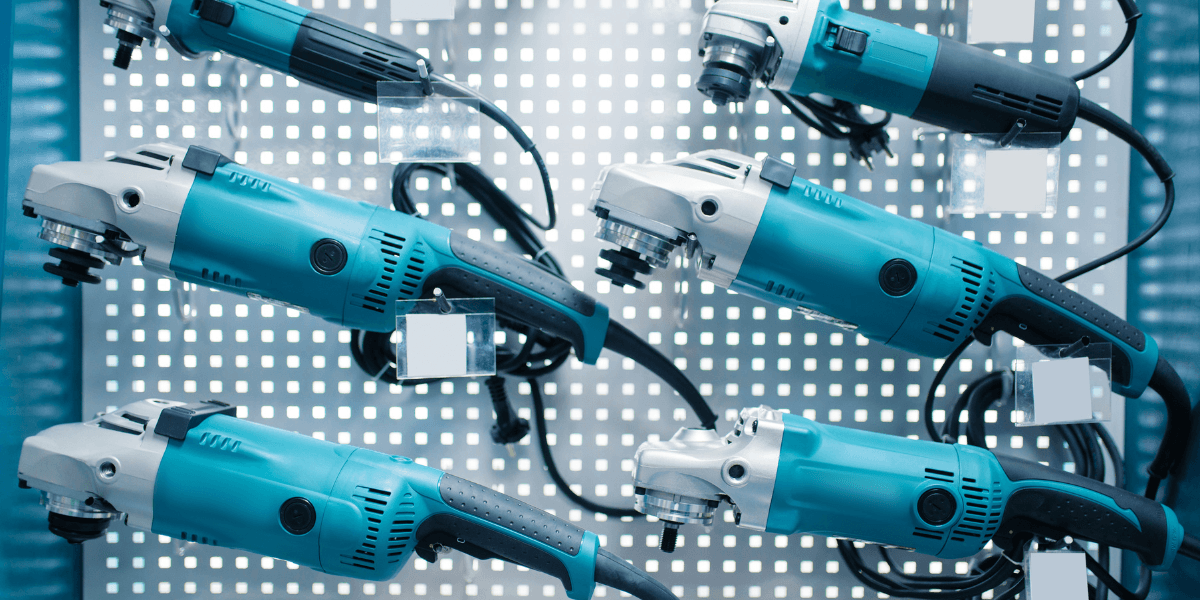
For high-stress industrial applications, quality isn’t a marketing line. It’s the difference between a safe system and a liability.
When you’re sourcing industrial hardware in Boise, prioritize products that are:
Made to known standards and specifications
Appropriate for the load, vibration, and environment
Consistent in sizing and quality across orders
This is especially important for structural connections, equipment mounting, and any application tied to safety or regulatory compliance.
If you’re buying for a team, consistency reduces mistakes. A shop that receives the same reliable hardware each time spends less time double-checking and less time sorting problems caused by mismatched parts.
Boise supplier considerations: why local distribution helps
You can buy industrial hardware directly from manufacturers, but it doesn’t always fit the reality of Boise jobs. Local distribution tends to win on speed, flexibility, and practical support.
Here’s what a strong local supplier brings to the table:
Faster access to inventory when plans change
Real help matching parts, accessories, and specs
Broader category coverage so you don’t juggle vendors
Support that understands local industries and job rhythms
Kowallis & Richards has stayed relevant for 75 years by adapting to how the industry actually works. Along with stocking products, we also focus on service that keeps operations stable.
A straightforward checklist for building your industrial hardware list
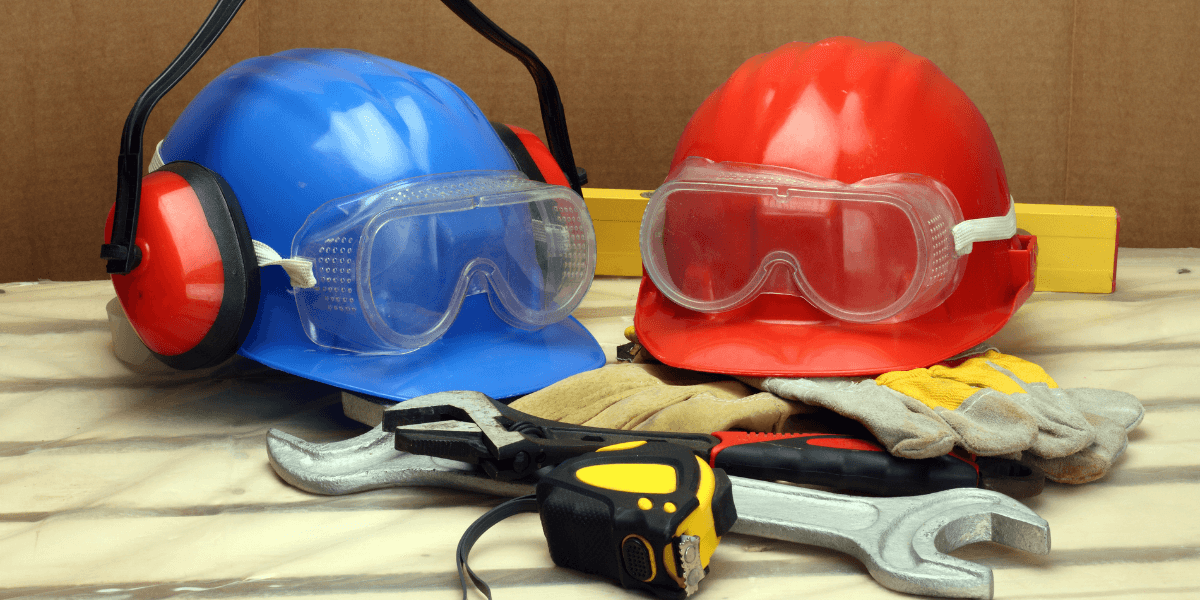
If you’re planning a purchase for a project or facility, run through this checklist. It keeps decisions grounded and cuts down on ordering mistakes.
Project scope: construction build, retrofit, manufacturing install, routine MRO
Fasteners and anchors: correct grades, sizes, coatings, and quantities
Tools: heavy-use durability, ergonomic comfort, easy access to replacement accessories
Cutting and abrasives: match accessories to material and application for clean results
Pneumatics and fittings: confirm connection types and compatibility with existing systems
Safety and fall protection: cover task-specific hazards and keep essentials stocked
Maintenance supplies: adhesives, sealants, tape, chemicals, paints, and shop needs
Supply plan: local availability, delivery support, and backup options for critical items
If you want help pressure-testing a list, that’s a good moment to talk with a supplier who knows the categories and can flag gaps before they become jobsite problems.
Conclusion:
In Boise, the teams that stay on schedule usually have two things in place: a clean plan and a dependable supply. Industrial hardware, tools, and safety supplies don’t feel exciting, but they set the pace for everything else. When your fasteners are right, your tools hold up, your accessories cut cleanly, and your safety gear is ready, the work flows.
Kowallis & Richards has supported Boise with industrial hardware, fasteners, tools, abrasives, pneumatics, construction supplies, safety and fall protection, and the everyday products that keep jobs moving. If you’re putting together a supply list for a construction project or manufacturing operation, we can help you get the right mix and deliver it where you need it.
Contact us for industrial hardware, fasteners, tools, abrasives, and safety supplies in Boise, so your construction or manufacturing project stays on spec and on schedule.
FAQ:
What industrial hardware is essential for construction projects in Boise?
Most construction projects rely on a dependable base of fasteners (nuts, bolts, washers, screws, and anchors), plus job-ready tools, cutting accessories, abrasives, and safety supplies. The exact list depends on the trade and scope, but those categories cover the majority of day-to-day needs.
How do I avoid downtime caused by missing hardware or tool accessories?
Downtime prevention starts with consistency. Standardize the fastener sizes and grades your team uses most, keep replacement cutting accessories and abrasives on hand, and source from a local supplier with reliable inventory and delivery support across the Treasure Valley.
What should I look for in an industrial hardware supplier in Boise?
Look for a supplier that stocks the full set of categories you buy repeatedly: fasteners, tools, safety gear, abrasives, and MRO essentials. Local availability, responsive support, and delivery options matter when schedules tighten and plans change.

Looking for more than just parts?
Explore how our services are reshaping what support means in this industry.