Pneumatic tools vs electric tools: which is better for workshops?
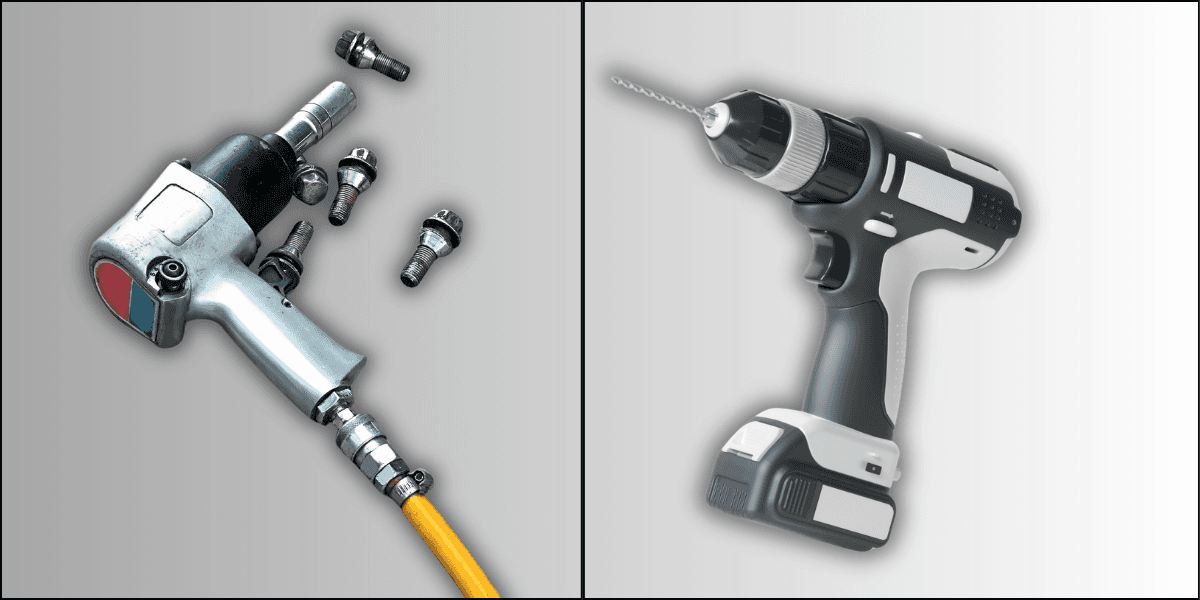
Walk into any workshop, and you’ll notice something interesting. Some people swear by air-powered tools, while others prefer electric ones. The conversation around pneumatic tools vs electric tools has been going on for years, and honestly, there isn’t a one-size-fits-all answer.
The real question is not which one is “better” overall, but which one works better for the kind of jobs you handle every day. A busy automotive shop has very different needs compared to a home garage or a mobile repair setup. That’s where understanding your workshop tools really starts to matter.
In this blog, no confusing jargon, just real information that helps you choose the best option for your process.
Understanding the Basics of Workshop Tools
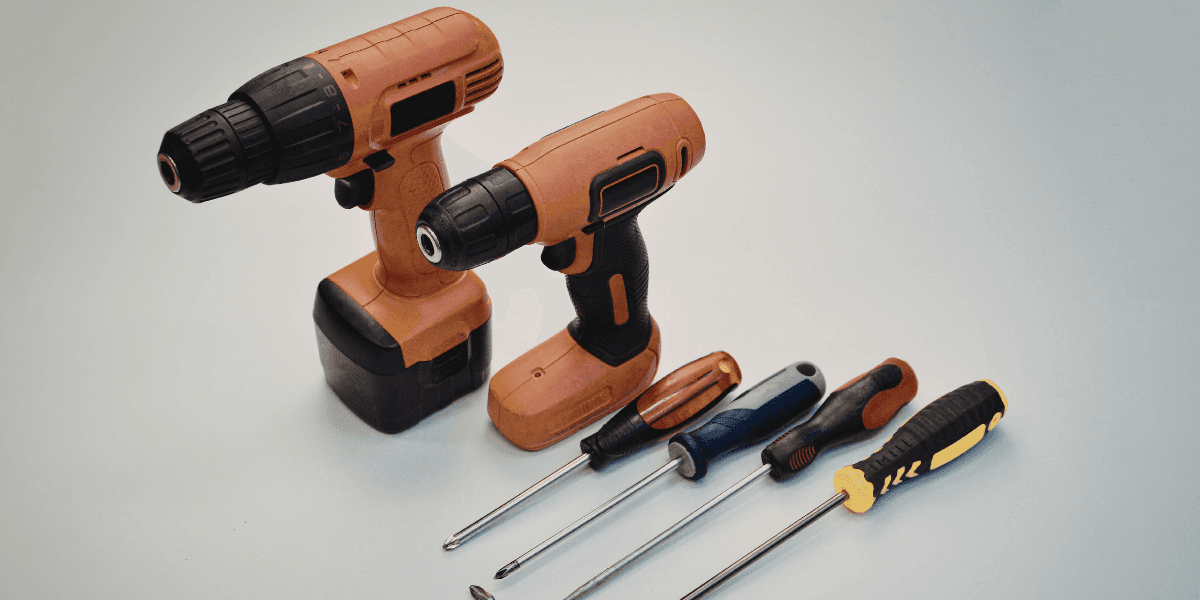
Before comparing anything, it helps to understand how these tools actually work in a real-world setting. Both pneumatic and electric tools are widely used, and each has earned its place in modern workshops.
Pneumatic tools run on compressed air. That means you’ll need a compressor, hoses, and a proper setup. It may sound like extra effort at first, but once everything is in place, it runs smoothly and supports multiple tools at once. That’s why many large setups include them as part of their industrial supplies.
Electric tools take a simpler route. Plug them in or use a battery, and you’re ready to go. That ease of use makes them a go-to option for many people, especially when flexibility is important.
How Pneumatic Tools Work
Pneumatic tools use compressed air to generate force. The compressor builds pressure, and that pressure powers the tool through air lines. This setup allows the tool to deliver steady performance without slowing down, even during long hours of use.
How Electric Tools Work
Electric tools rely on either direct electricity or rechargeable batteries. They are straightforward and easy to handle. You don’t need additional systems, which makes them convenient for quick jobs or changing work locations.
Pneumatic Tools vs Electric Tools: Key Differences
When you look closely at pneumatic tools vs electric tools, the differences start to show in how they feel during use, not just how they work.
Pneumatic tools are known for their consistency. They don’t heat up easily, and they keep delivering the same level of power throughout the day. This makes them a solid choice for long, repetitive tasks.
Electric tools bring flexibility to the table. You can grab one, move around, and get the job done without worrying about hoses or compressors. That freedom can make a big difference, especially in smaller or more dynamic workspaces.
Performance and Power Delivery
Pneumatic tools give you powerful and constant power, which is perfect for tough projects. Electric tools give you smoother control, which is useful when accuracy is important.
Mobility and Convenience
Pneumatic tools are tied to air systems
Electric tools are easier to move around
Cordless models add even more flexibility
Setup and Infrastructure
Pneumatic tools require a proper setup with compressors and lines, often included in industrial supplies. Electric tools are much quicker to start using, which can save time during busy workdays.
Strengths of Pneumatic Tools in Workshops
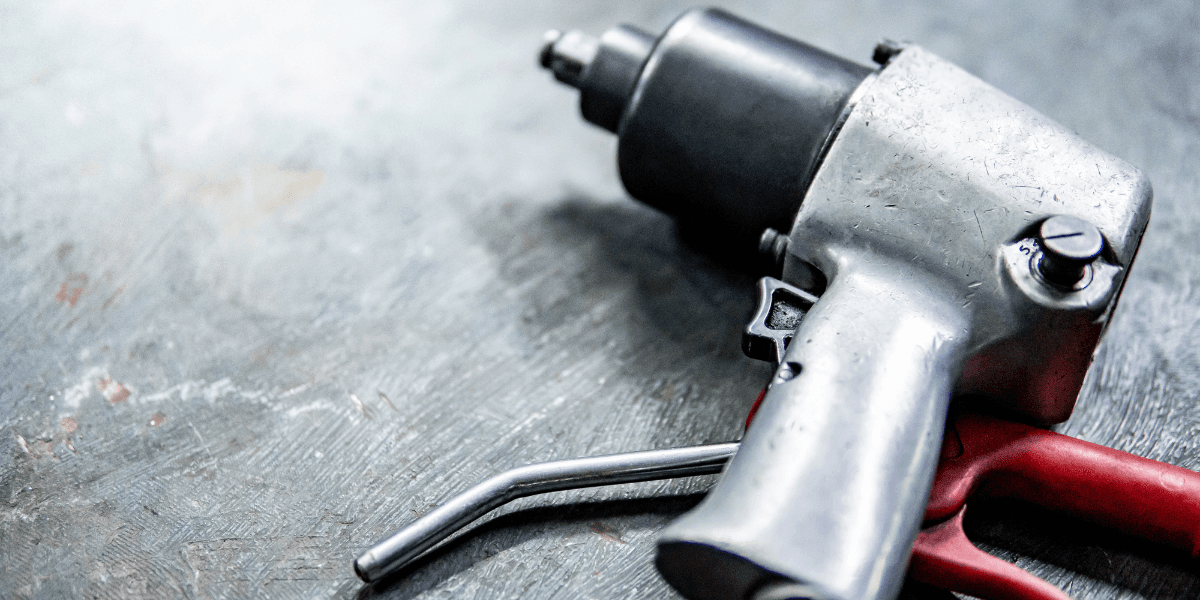
There’s a reason pneumatic tools are still widely used in professional environments. They are built for performance and endurance.
If your work involves long hours and repetitive tasks, these tools can handle the load without slowing down. They keep running at a steady pace, which helps maintain productivity.
Consistent Output for Heavy Tasks
Pneumatic tools are great for jobs that require continuous use. They don’t struggle with long working hours, which makes them reliable in demanding setups.
Lightweight Design for Long Hours
Even though they are powerful, pneumatic tools are relatively light. This helps reduce fatigue, especially when you’re using them for extended periods.
Long Service Life
With fewer internal parts, these tools tend to last longer. When properly maintained within your industrial supplies, they can stay reliable for years.
Why Electric Tools Are Widely Preferred
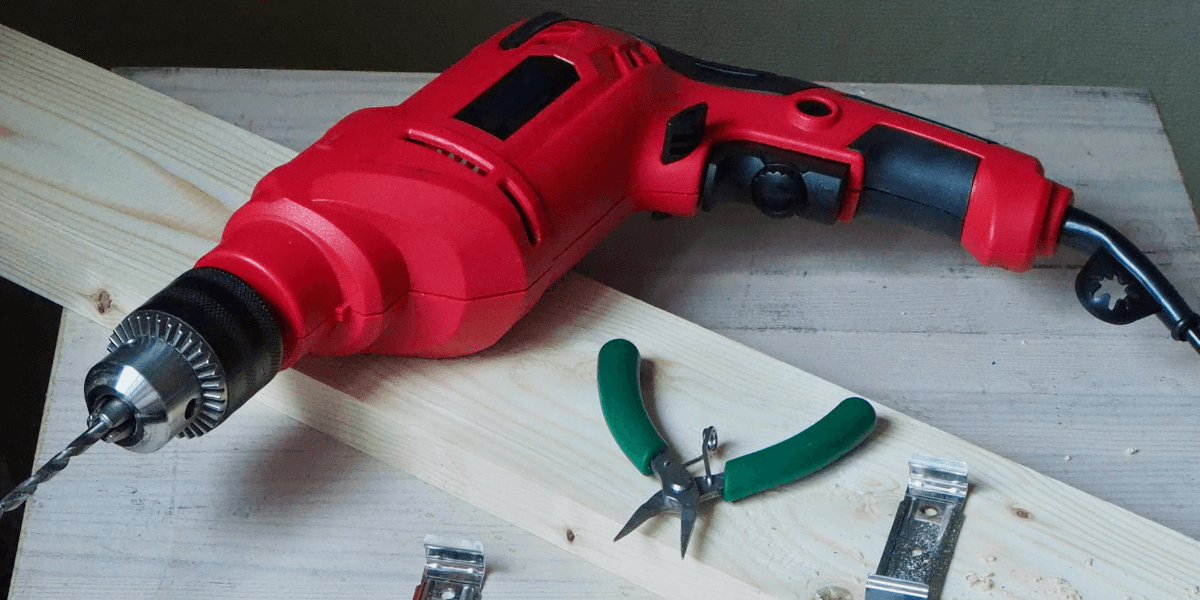
Electric tools are very popular, and it's easy to see why. They are easy to use, adaptable, and may fit in practically any workspace.
You don't need to set it up in a sophisticated way. You can start working as soon as you plug it in or put in a battery. That ease of use makes a great difference, especially when time is of the essence.
Easy Setup and Operation
Electric tools are straightforward. You don’t have to deal with compressors or hoses, which makes them easy to use right away.
Flexible Work Environment
No restrictions from airlines
Easy to carry around
Works well in tight or changing spaces
Energy Efficiency and Control
Most of the time, electric tools utilize less power and provide you with more control. This is why they are a fantastic choice for jobs that need to be done right.
Comparison Table: Pneumatic Tools vs Electric Tools
Feature | Pneumatic tools | Electric tools |
Power Source | Compressed air | Electricity or a battery |
Performance | Strong and consistent | Controlled and precise |
Portability | Limited by the air setup | Highly portable |
Setup | Requires a compressor system | Simple and quick |
Maintenance | Durable with proper care | May need periodic servicing |
Energy Use | Higher due to air systems | Generally efficient |
Application | Heavy-duty work | Flexible and versatile tasks |
Choosing Tools Based on Workshop Needs
Every workshop works differently. What suits one setup may not work as well in another.
Pneumatic tools can feel like the correct choice if you have to do heavy, continuous work. They can manage stress and keep working without stopping. That's why they are commonly part of bigger systems for industrial supplies.
If your work changes frequently or requires movement, electric tools can make things easier. They allow you to adapt quickly without being tied to a fixed setup.
For Heavy-Duty and Continuous Work
Pneumatic tools are a good match for environments where tools run for long hours and need to stay consistent.
For Flexible and Precision Work
Electric tools are better for tasks that involve movement, adjustments, or detailed work.
Balanced Approach for Modern Workshops
Use pneumatic tools for demanding tasks
Use electric tools for flexibility
Keep a mix of workshop tools for better efficiency
Most workshops today benefit from having both options available.
Environmental and Practical Considerations
Real-world conditions also play a role in how tools perform. It’s not always just about features.
Pneumatic systems can be affected by moisture, especially in colder environments. Proper maintenance helps avoid issues, but it does require attention.
Electric tools are generally easier to manage in different conditions. They don’t depend on air systems, which reduces the number of things you need to monitor.
Climate Impact on Tools
Temperature and moisture can affect pneumatic setups, while electric tools are usually less sensitive to such changes.
Energy and Cost Factors
Electric tools tend to use less energy. Pneumatic systems may require more power due to compressors, which can impact long-term costs.
Building a Reliable Workshop Setup
A good workshop setup is not just about choosing tools. It’s about how everything works together.
At Kowallis Pro, you can find a range of industrial supplies that support both pneumatic and electric systems. Having the right equipment makes a noticeable difference in daily operations.
A well-balanced setup usually includes both types of tools. This allows you to handle different tasks without switching systems or slowing down your workflow.
Importance of Quality Industrial Supplies
Reliable tools and equipment help maintain consistency and reduce unexpected problems during work.
Creating an Efficient Workflow
Keep tools organized
Maintain equipment regularly
Use the right tool for each job
Small improvements in setup can lead to better productivity over time.
Conclusion
When it comes to pneumatic tools vs electric tools, the best choice depends on how you work. Both types bring value, and each has its place in a well-equipped workshop.
Instead of choosing one over the other, many professionals prefer to use both. This gives them the flexibility to handle different tasks without compromise.
With the right combination of workshop tools and dependable industrial supplies, you can create a setup that feels efficient and easy to work with every day. If you’re planning to upgrade your workshop, Kowallis Pro offers reliable solutions to help you get started. Contact us today and build a workspace that truly fits your needs.
Frequently Asked Questions
Are pneumatic tools better than electric tools?
It totally depends on the task you do. In busy workshops where equipment is used all the time and needs to provide stable power, pneumatic tools are generally the best choice. But electric tools are better for rapid jobs and labor that needs to be done in a flexible way. Many professionals choose to maintain both in their work area for different occasions.
Are pneumatic tools stronger than electric tools?
Pneumatic tools are often known for having more torque, which makes them good for tough jobs. Electric tools have come a long way and can still do a great job, but when you require steady power for a long time, pneumatic tools are frequently the best choice.
What is a disadvantage of using pneumatic tools?
One common problem is that you need a full setup, which includes an air compressor and air pipes. This can take up room and make it harder for you to move about in the workshop. It also needs frequent upkeep to make sure everything is working right.
When should you use a pneumatic power tool instead of an electric one?
Pneumatic tools are a good choice when you are working on tasks that involve continuous use or require high power. They are commonly used in automotive and industrial settings where reliability and steady performance are important.
What is an advantage of using electric tools?
Electric tools are simple to use, convenient to move, and quick to set up. They are useful for a wide range of jobs since they operate effectively for tasks that need mobility or accuracy.

Looking for more than just parts?
Explore how our services are reshaping what support means in this industry.