Complete Guide to Construction Fasteners: Types, Uses & Selection Tips
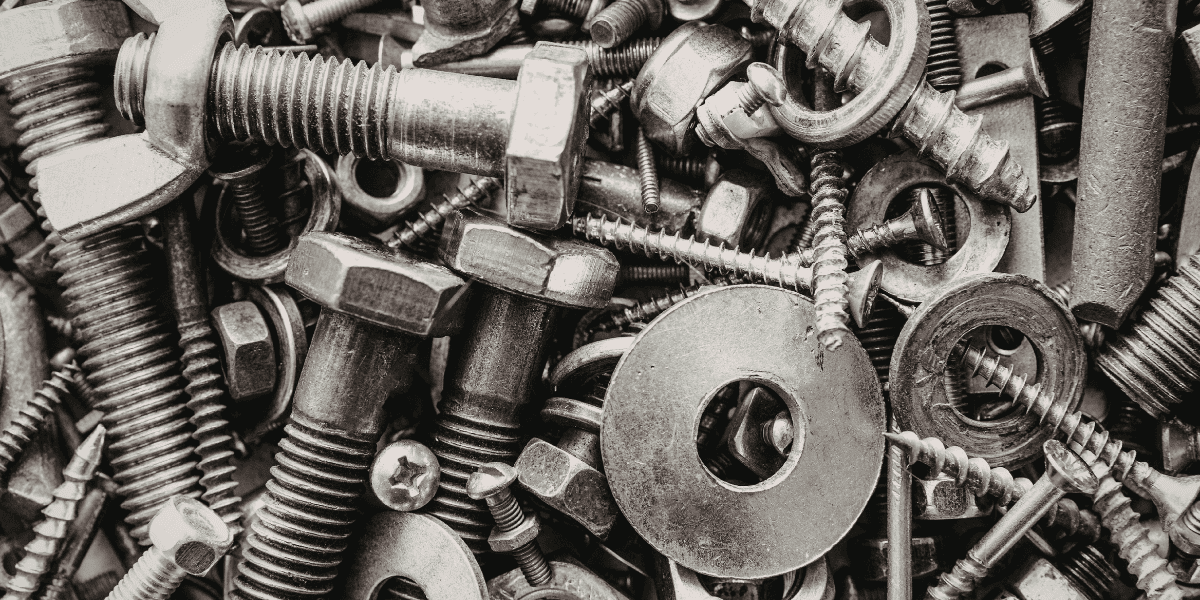
Walk onto any construction site, and you will notice how everything depends on solid connections. Behind every wall, under every floor, and within every frame, construction fasteners quietly do the heavy lifting. They may look small, but they carry a big responsibility when it comes to strength and safety.
For contractors and builders, choosing the right construction fasteners is part of everyday decision-making. The right choice keeps work moving, avoids unnecessary delays, and supports long-term durability. The wrong one can lead to rework, wasted time, and frustration.
In this guide, you will get a clear understanding of different construction fasteners, where they are used, and how to choose the right ones. You will also see how working with reliable fastener suppliers and having access to consistent industrial supplies can make your job much easier.
Understanding Construction Fasteners
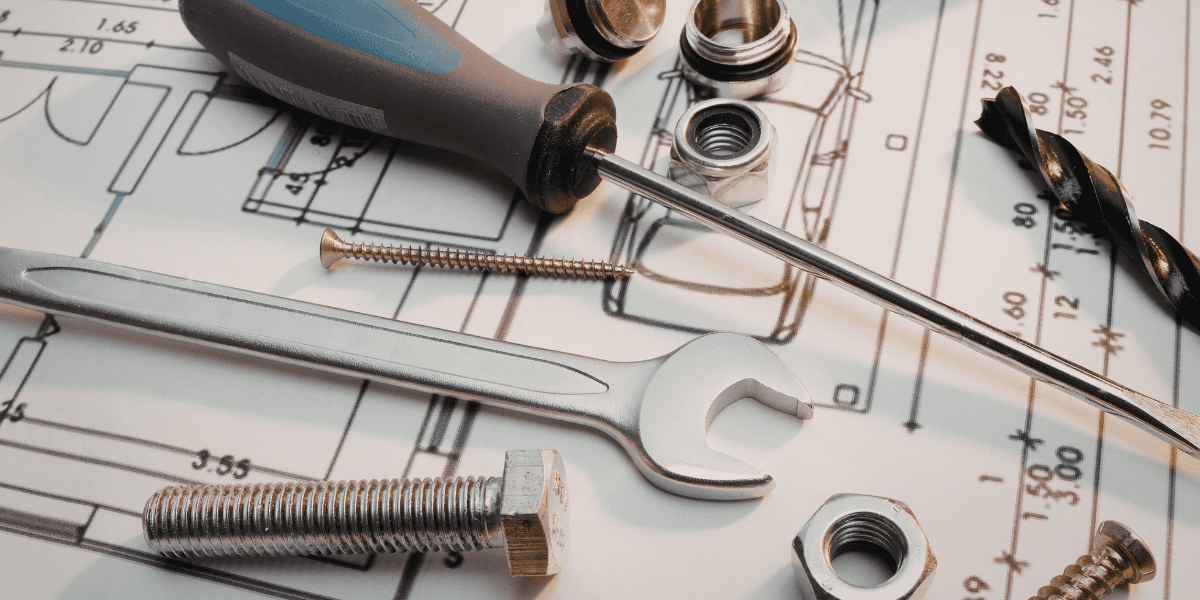
Construction fasteners are the hardware pieces that hold materials together, whether it is wood, steel, or concrete. From simple nails to heavy-duty bolts, Each category has a certain job to do.
On a real jobsite, delays often happen when materials run out. That is why many contractors keep bulk fasteners on hand. Having a steady supply of construction fasteners, along with dependable industrial supplies, helps keep projects moving without interruption.
Why Construction Fasteners Matter
It is easy to overlook fasteners, but they play a central role in how well a structure performs over time. The strength of any build depends on how securely everything is connected.
They hold structural elements firmly in place
They help distribute weight and pressure evenly
They support durability through changing weather conditions
Experienced fastener suppliers understand these needs and provide products that match real-world demands on site.
Materials Used in Construction Fasteners
Not all construction fasteners are made the same. The material used affects how they perform under stress and exposure.
You will commonly find fasteners made from carbon steel, stainless steel, and galvanized steel. Each option serves a different purpose. Stainless steel works well in moisture-prone areas, while galvanized fasteners are a popular choice for outdoor applications. These materials are easy to source through trusted industrial supplies providers.
Types of Construction Fasteners and Their Uses
Every project calls for a different approach, and the same goes for construction fasteners. Knowing which type to use can save time and improve results.
Structural Screws and Timber Screws
Structural screws are built for strength. These construction fasteners are often used in framing and heavy timber work where reliability matters.
They are a go-to choice for wood structures because they offer strong holding power and are relatively easy to install. Many builders prefer them when working on decks or large framing projects.
Lag Bolts and Lag Screws
Lag bolts are known for their durability. These construction fasteners are commonly used when working with large wooden components or when attaching wood to masonry using concrete anchors.
Their solid design makes them suitable for demanding tasks, especially in structural wood connections where strength cannot be compromised.
Concrete Anchors and Wedge Anchors
Concrete anchors are essential when working with concrete surfaces. These construction fasteners provide the grip needed to secure materials firmly in place.
You will often see concrete anchors used in foundations, structural supports, and equipment installations. Choosing the right type of concrete anchors can make a noticeable difference in how stable the final structure feels.
Deck Screws
Deck screws are designed for outdoor environments. These construction fasteners are treated or coated to handle moisture and resist corrosion.
They are commonly used for decks, fences, and other outdoor woodwork. Their ability to handle weather exposure makes them a reliable option for exterior projects.
Carriage Bolts
Carriage bolts are easy to recognize because of their rounded heads. These construction fasteners are often chosen when both strength and appearance matter.
They are widely used in fences, frames, and outdoor structures where a clean finish is preferred.
Framing Nails
Framing nails are essential for large-scale construction work. These construction fasteners are typically used with nail guns, allowing for fast and efficient installation.
Contractors working on bigger projects often rely on bulk fasteners like framing nails to keep up with the pace of the job.
How to Choose the Right Construction Fasteners
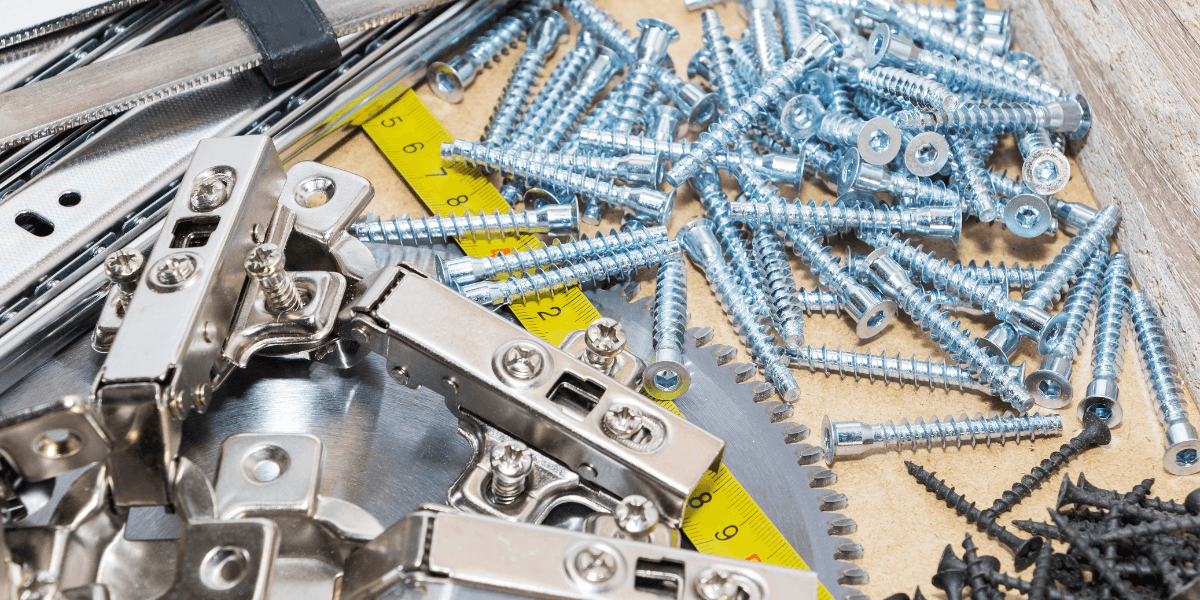
Choosing construction fasteners is not just about picking what is available. It requires a bit of thought about the materials, environment, and load requirements.
Load Capacity and Strength
Every fastener needs to handle a certain amount of weight. Construction fasteners used in structural work must be strong enough to support both static and dynamic loads.
Think about the type of load involved and the materials being connected. If you are unsure, experienced fastener suppliers can guide you toward suitable options.
Corrosion Resistance
Weather can take a toll on construction fasteners. Moisture, temperature changes, and exposure all affect how long they last.
Options like stainless steel and galvanized coatings help improve resistance. These are widely available through industrial supplies providers and are often used for outdoor projects.
Material Compatibility
Mixing the wrong metals can cause problems over time. Some combinations react with each other, leading to corrosion and weakened connections.
Matching construction fasteners with the right materials helps maintain strength and prevents long-term issues.
Drive Type and Installation
Installation matters just as much as selection. The drive type determines how easy it is to install construction fasteners without slipping or stripping.
Common choices like Torx and square drives offer better grip and smoother installation, especially during high-volume work.
Importance of Concrete Anchors in Construction
Concrete anchors play a key role in connecting structures to concrete surfaces. These construction fasteners provide the stability needed for load-bearing elements.
Without reliable concrete anchors, it becomes difficult to maintain strong connections in foundations and heavy-duty applications.
Where Concrete Anchors Are Used
Concrete anchors are used across many areas in construction. They are especially useful when securing materials to concrete bases.
You will find them in foundation work, structural steel setups, and when mounting heavy equipment. Their strength allows them to support demanding loads without shifting.
Benefits of Using Quality Concrete Anchors
Using well-made concrete anchors brings several advantages to a project.
Strong grip and reliable support
Long-lasting performance under pressure
Reduced the chances of structural issues later
Most contractors prefer sourcing these from trusted fastener suppliers who also provide consistent industrial supplies.
Role of Bulk Fasteners and Industrial Supplies
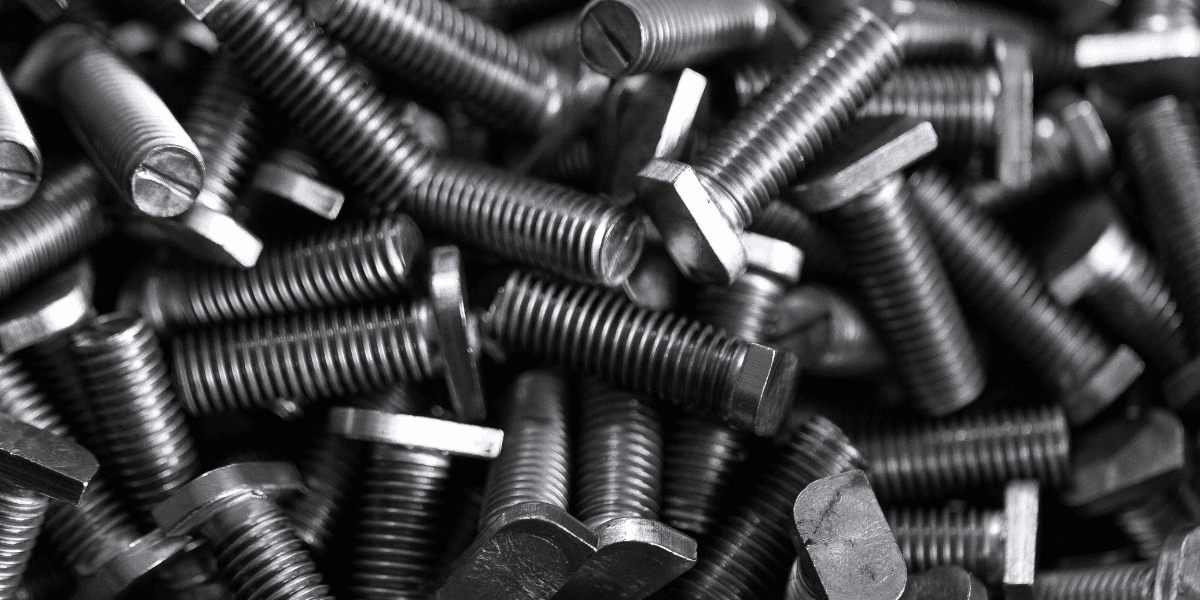
Running out of materials can slow down even the most well-planned project. That is why bulk fasteners are a practical choice for many contractors.
Keeping bulk fasteners on hand reduces the need for frequent orders and helps maintain steady progress. Alongside this, access to industrial supplies supports everything from installation to safety on-site.
Advantages of Bulk Fasteners
Bulk fasteners offer practical benefits that support day-to-day construction work.
Fewer interruptions due to material shortages
Better cost control over time
Consistent quality across the project
Reliable fastener suppliers often provide bulk fasteners along with a full range of industrial supplies, making inventory management easier.
Importance of Industrial Supplies
Industrial supplies cover much more than fasteners. They include tools, safety gear, and other essentials that keep a jobsite running smoothly.
Having dependable industrial supplies available helps teams stay focused and organized, which directly impacts productivity.
Choosing the Right Fastener Suppliers
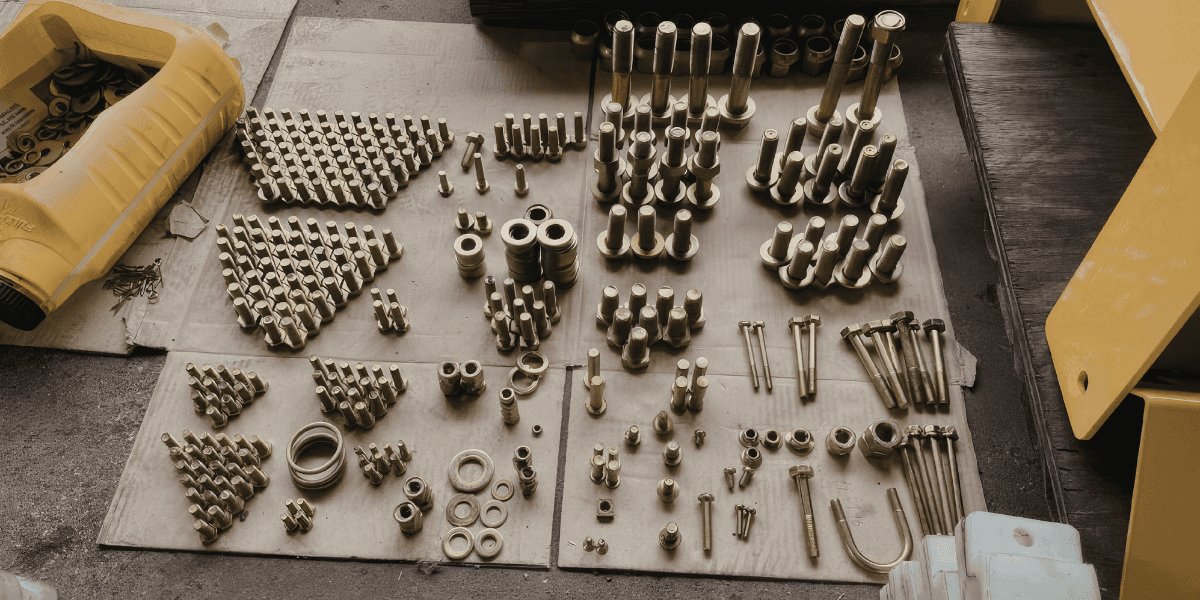
The source of your construction fasteners can influence the outcome of your project. Working with experienced fastener suppliers gives you access to quality products and practical guidance.
A reliable supplier offers a wide selection range of construction fasteners, bulk fasteners, and industrial supplies suited for different applications.
Companies like Kowallis Pro understand the needs of contractors and provide solutions that align with real jobsite challenges.
Benefits of Working with Reliable Suppliers
Choosing the right fastener suppliers can make daily operations smoother and more predictable.
Consistent product quality you can rely on
Timely delivery that supports project schedules
Access to a wide selection of industrial supplies
These advantages help reduce stress and keep projects on track.
Local Sourcing for Better Project Flow
Sourcing construction fasteners locally can save time and simplify logistics. Local fastener suppliers are familiar with regional conditions and can recommend products suited for the environment.
Working with a provider like Kowallis Pro gives you access to construction fasteners and industrial supplies that fit local project needs.
Why Local Suppliers Matter
Choosing local suppliers brings practical benefits that support efficiency.
Faster delivery when you need materials quickly
Better understanding of local weather and conditions
Easier communication and support when questions come up
These small advantages can have a big impact on project timelines.
Common Mistakes to Avoid When Selecting Construction Fasteners
Even seasoned professionals can run into issues when choosing construction fasteners. Being aware of common mistakes helps you bypass unnecessary setbacks.
Ignoring Load Requirements
Using construction fasteners that cannot handle the required load can lead to serious problems. Always match the fastener to the job.
Overlooking Environmental Conditions
Outdoor conditions can affect how fasteners perform. Choosing the right material helps extend their lifespan.
Focusing Only on Cost
Low-cost options might seem appealing at first, but they can lead to higher expenses later. Working with trusted fastener suppliers helps maintain quality and reliability.
Conclusion
Construction fasteners might seem like small components, but they are at the heart of every strong structure. From concrete anchors to bulk fasteners, each choice plays a role in how well a project holds up over time.
Understanding the different types and selecting the right materials can help you avoid delays and improve overall efficiency. Working with dependable fastener suppliers and having access to reliable industrial supplies also makes a noticeable difference on any jobsite.
If you are planning your next project and need trusted construction fasteners, connect with Kowallis Pro today.
Frequently Asked Questions
What are the main types of construction fasteners used in building projects?
Common construction fasteners include structural screws, lag bolts, concrete anchors, deck screws, carriage bolts, and framing nails.
How do I choose the right construction fasteners for different materials?
Look at the material type, load requirements, and environmental conditions. Fastener suppliers can help guide your decision based on your project.
Why are concrete anchors important in construction applications?
Concrete anchors provide strong connections between structures and concrete surfaces, helping maintain stability and support heavy loads.
What factors affect the durability of construction fasteners in outdoor environments?
Moisture, temperature changes, and material compatibility all play a role. Using corrosion-resistant construction fasteners helps improve performance.
Where can I find reliable fastener suppliers for bulk fasteners and industrial supplies?
You can work with trusted providers like Kowallis Pro for a wide selection of construction fasteners, bulk fasteners, and industrial supplies.

Looking for more than just parts?
Explore how our services are reshaping what support means in this industry.