Hand Tools vs Power Tools: Cost vs Efficiency Breakdown
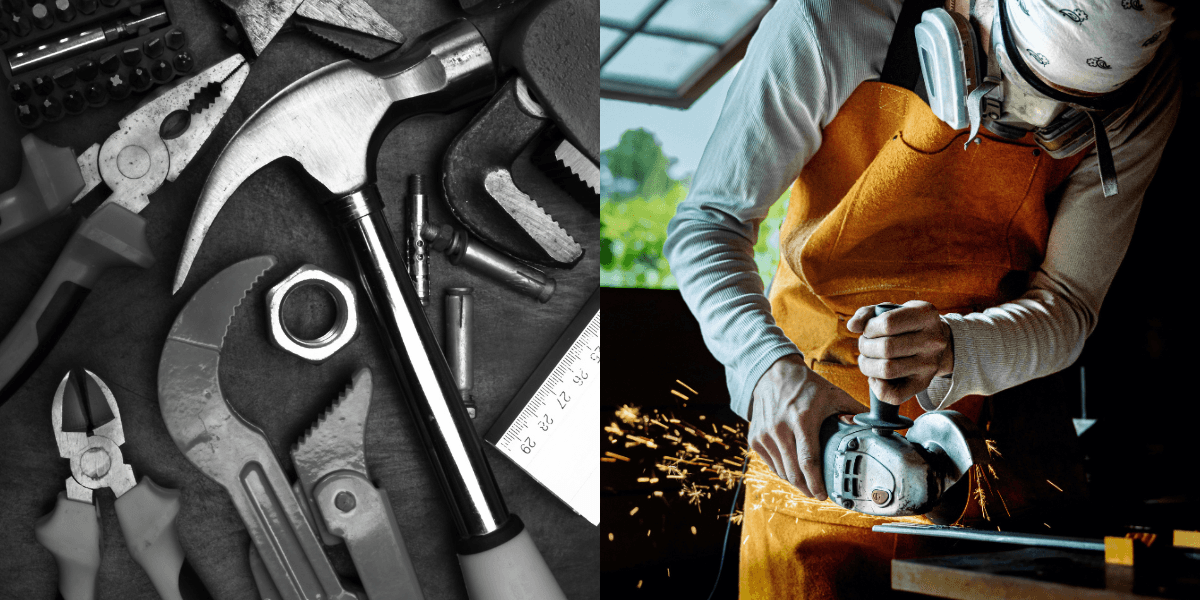
Walk into almost any workspace, and this question tends to come up pretty quickly: Should you stick with hand tools, or is it time to move toward powered equipment?
There’s no single right answer here. The tools you choose affect how fast you work, how much effort you put in, &, in the long run, how much money you end up spending. For some, it’s about speed. For others, it’s about control.
Many people naturally start with hand tools. They’re familiar, simple to use, and don’t need much preparation. No charging, no setup, no waiting around. You just pick them up and get started. As projects become bigger or more frequent, people often begin adding electric tools to save time & reduce the physical workload.
If you’re putting together a home setup or upgrading professional workshop tools, taking the time to understand how hand tools compare with powered options can help you avoid wasting money on tools that sit unused. Reliable suppliers like Kowallis Pro also make it easier to find industrial supplies that fit your actual needs.
Understanding the Core Difference Between Hand Tools and Power Tools
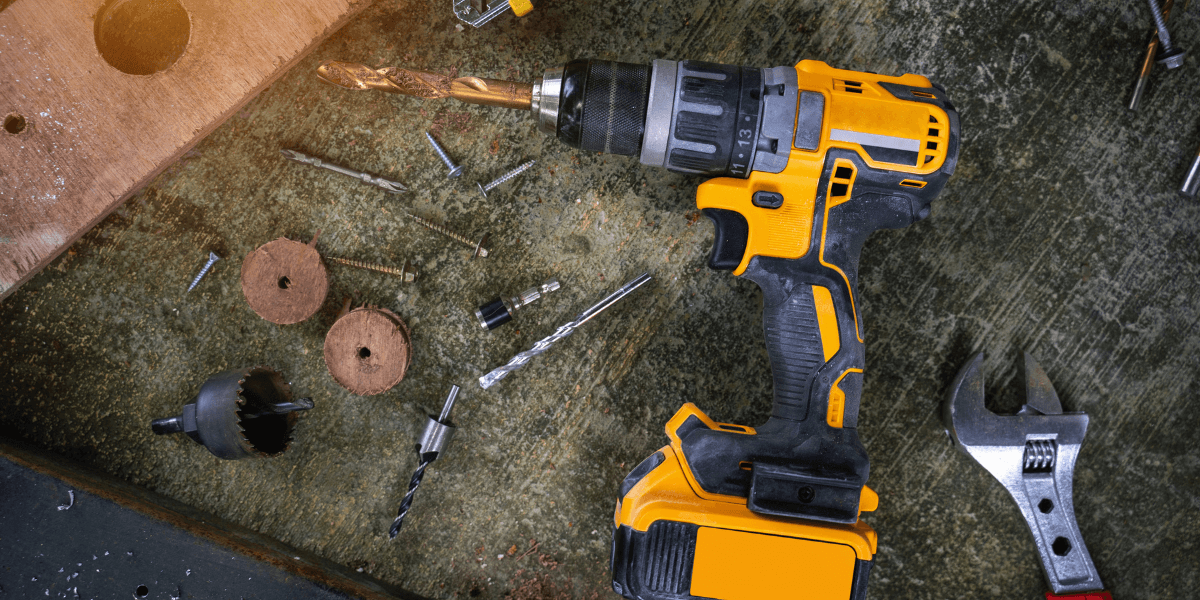
Before getting into cost & efficiency, it helps to think about how these tools actually feel in day-to-day use. The difference is not just technical; it’s practical.
What Makes Hand Tools Reliable and Cost-Effective
There’s a certain simplicity to hand tools that people appreciate. You’re fully in control of the movement, the pressure, & the pace. That direct connection makes a noticeable difference, especially when working on something that requires care & attention.
From a cost point of view, hand tools are often where people begin. A decent starter set usually falls somewhere between $50 & $200. Even when you go for higher-quality options, the pricing tends to stay within reach.
Common examples include hammers, screwdrivers, and pliers.
Easy to pick up without a large upfront spend
Rarely need repairs or replacement.
Because they are built without complex parts, hand tools often last for years. That’s one of the reasons they continue to be a key part of most workshop tool collections.
How Power Tools Improve Speed but Increase Costs
When speed becomes important, power tools start to make a lot more sense. These electric tools are designed to handle repetitive or physically demanding tasks much faster than manual tools.
That convenience, however, does come at a cost. A single solid power tool can range from $100 to $500, and once you begin building a full set, it’s not unusual to go past $1000. This is especially true when you’re investing in professional-grade industrial supplies.
Common examples include drills, grinders, and saws.
Higher initial cost compared to hand tools
Accessories and add-ons can raise the total spend.
They can save a significant amount of time, but they do require a bigger investment right from the start.
Cost Breakdown: What You Really Spend Over Time
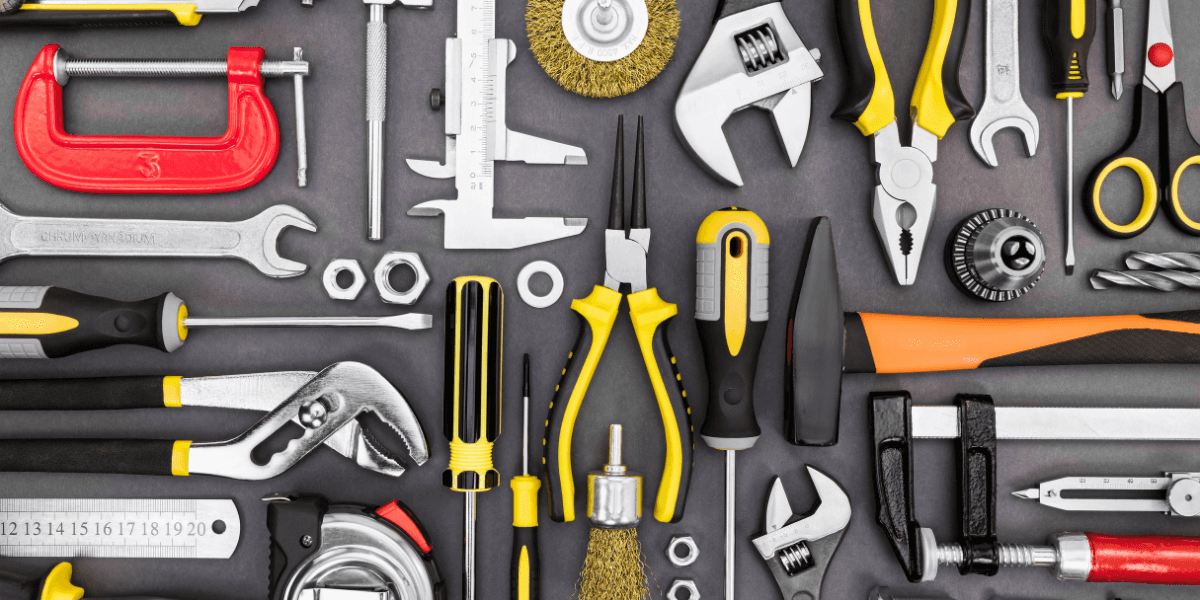
The purchase price is just one part of the picture. What matters just as much is what you continue to spend as time goes on.
Initial Investment Comparison
One of the biggest advantages of hand tools is flexibility. You don’t have to buy everything at once. You can start with the basics, use them, and slowly add more tools when needed.
With power tools, things tend to move faster financially as well. Even a simple setup of electric tools, like a drill, saw, and grinder, can cost several hundred dollars upfront. For those working regularly with industrial supplies, the time saved often balances that cost.
Maintenance Costs Over Time
This is where hand tools quietly stand out. They don’t require much attention. A bit of cleaning here & there, maybe some oiling, & they keep working.
Power tools are different. Batteries lose capacity over time, motors wear down, & occasional repairs are part of ownership. A replacement battery alone can cost between $50 & $150, depending on the brand.
Buying from trusted sources like Kowallis Pro can help with reliability, but maintenance is still something to plan for.
Hidden Costs You Should Consider
Even though hand tools are relatively affordable, there are still small costs that show up over time. You might need to replace a worn tool or buy something specialized for a specific task.
With power tools, these extra costs tend to appear more often. Batteries, chargers, & spare parts can add up faster than expected. Also, many electric tools are designed around specific systems, which can limit your options later.
Battery systems often require separate purchases.
The cost of repairs can change based on the tool.
Switching between brands is not always simple.
Thinking about these factors early can help you avoid unnecessary expenses later on.
Efficiency Breakdown: Speed, Precision, and Effort
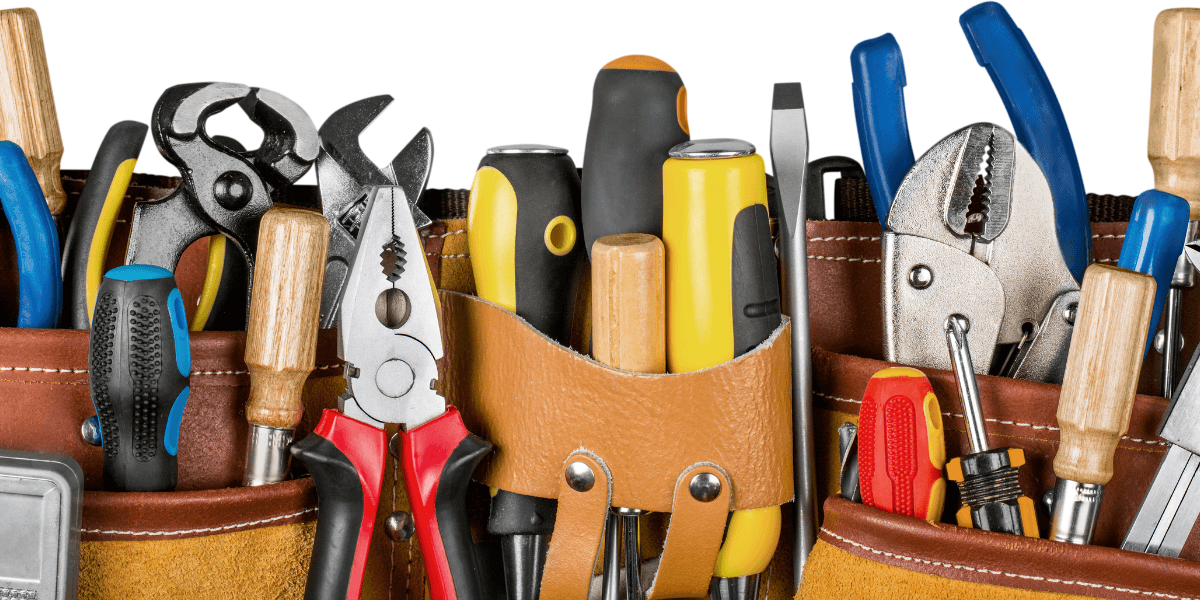
When deciding between hand tools and powered tools, efficiency is typically the most important thing. It actually depends on what you do for a living.
Speed and Productivity Differences
Working with hand tools takes time. There’s a steady pace to it, & larger projects can feel slow.
With power tools, speed is the biggest advantage. Tasks that might take hours using hand tools can often be completed much faster. This is why professionals who use industrial supplies regularly rely on them.
Hand tools are slower but give steady control.
Power tools complete tasks much faster.
Faster work can improve overall productivity.
Both approaches have their place depending on the situation.
Precision and Control in Real Work
When it comes to precision, hand tools still have an edge. You can feel exactly what you’re doing, which helps when working on detailed tasks.
Power tools can deliver precise results as well, but they require a bit more experience. Without proper control, small mistakes can happen quickly. That’s why many people switch between hand tools & electric tools depending on the job.
Physical Effort and Comfort
Using hand tools for long periods can be tiring. Repetitive actions & manual force can put strain on your hands and shoulders over time.
Power tools reduce that physical effort. They take over much of the heavy work, which makes them easier to use during longer projects, especially in busy workshop environments.
Hand tools require more physical effort.
Power tools reduce strain significantly.
Comfort improves when tools match the task.
A balanced approach often feels the most practical.
Safety and Risk Factors
Safety depends a lot on how tools are used, but generally, hand tools are easier to control and involve fewer risks.
With power tools, the speed and force involved increase the chances of mistakes if you’re not careful. Proper handling and protective gear are important, especially when working with heavy-duty industrial supplies.
Building a Balanced Toolkit for Better Results
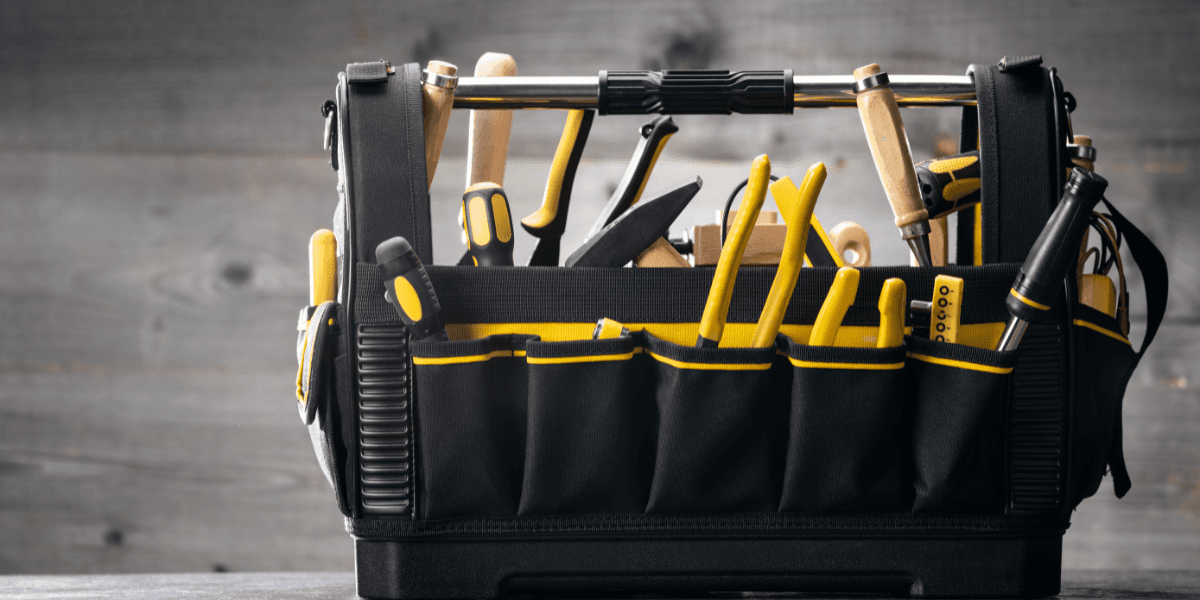
Most people with experience don’t rely on just one type. They use a mix of hand tools & power tools based on the task.
Why a Combination Works Best
Using both types gives you flexibility. You can use hand tools for detailed work and switch to power tools when speed is needed. That balance tends to produce better overall results.
Smart Investment Tips for Long-Term Value
You don’t need to build everything at once. Taking it step by step usually works better.
Start with essential hand tools.
Add power tools as your workload increases.
Focus on durable industrial supplies.
Working with trusted providers like Kowallis Pro can help you avoid poor-quality purchases.
Conclusion
Choosing between hand tools & power tools really comes down to your needs, your budget, & how often you work.
Hand tools offer control, affordability, & long-term reliability. Power tools bring speed & convenience, especially for larger or more demanding tasks. Using both together often gives the best results.
If you’re planning to upgrade your workshop tools or explore better industrial supplies, reaching out to Kowallis Pro could help you find tools that actually fit your work style.
For recommendations, product details, or help choosing the right equipment, feel free to contact us and get expert support tailored to your needs.
Frequently Asked Questions
1. How much should I budget for hand tools as a beginner?
You can usually get started with hand tools for around $50 to $200. That covers basic items like screwdrivers, pliers, and a hammer. As you gain experience, you can slowly add more tools without spending too much at once.
2. Are power tools worth the higher cost?
They can be worth it if you’re working on larger or repetitive tasks. Power tools help you finish work faster & with less effort. For occasional use, though, hand tools are often enough.
3. What are the ongoing costs of electric tools?
Electric tools often need battery replacements, maintenance, & occasional repairs. Batteries alone can cost between $50 & $150. Regular care can help keep these costs under control.
4. Can I build a professional setup using only hand tools?
Yes, many professionals still rely on hand tools, especially for detailed work. Adding power tools can improve speed, though. A mix of both usually works well for most situations.

Looking for more than just parts?
Explore how our services are reshaping what support means in this industry.