Abrasives for Construction & Fabrication: Best Discs, Wheels, and Belts for Faster Grinding, Blending, and Surface Prep
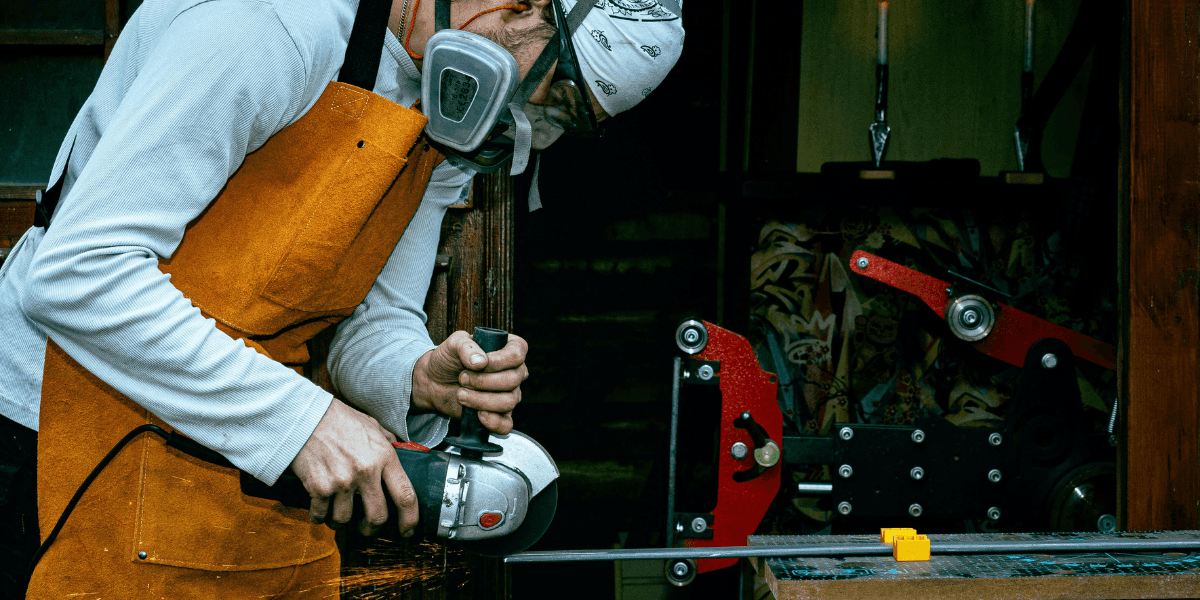
Abrasives are one of those shop and jobsite purchases that look simple until you’re the one holding the grinder. Pick the wrong disc, and you fight heat, glazing, slow cut rates, and early wear. Pick the right one, and the tool feels steadier, the finish cleans up faster, and weld prep stops eating half the day.
This guide breaks down abrasive grains, disc styles, wheels, and belts that match real construction and fabrication work in the US. The focus stays on speed, durability, and surface results across common metals like stainless, carbon steel, and aluminum.
Start with the job: grinding, blending, or surface prep
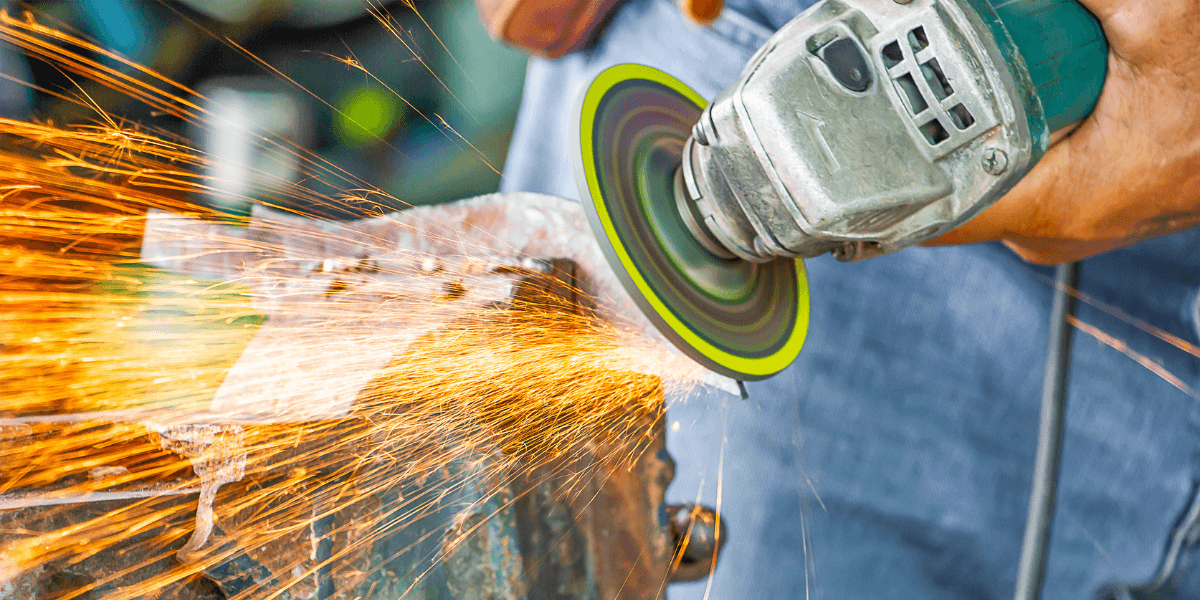
Most “bad abrasive” complaints come from a mismatch between the task and the product style. These three categories cover almost every decision:
Heavy grinding/stock removal: knocking down welds, leveling plate, removing torch slag, taking down mill scale fast
Blending/finishing: smoothing weld toes, cleaning transitions, removing scratches, prepping for paint or powder
Surface prep: stripping coatings and rust, cleaning without changing part geometry, giving a surface the right tooth for coatings
Once the task is clear, the grain type and the tool format become much easier to choose.
Abrasive grain types (and what they do well)
Abrasive “grain” is the cutting media. Different grains fracture differently, handle heat differently, and hold up under pressure differently. That shows up as cut speed, disc life, and how hot the work gets.
Ceramic alumina (fast cut, strong life, handles heat)
Ceramic alumina is the first choice when speed and disc life matter, especially on stainless and hardened steels. High-end ceramic products often use engineered shaped grain designs that cut aggressively while running cooler. In practice, that usually means less time leaning on the tool and fewer disc changes during long weld grinding runs.
Best uses
Stainless steel weld grinding and beveling
High-nickel alloys and hardened steels
High-pressure grinding, where standard grains burn up
Common examples in the market
3M Cubitron II fiber discs
Norton RazorStar fiber discs
(Those are well-known references for shaped ceramic grain performance and are commonly used in production settings.)
Zirconia alumina (durable, great under pressure on carbon steel)
Zirconia alumina is a workhorse grain for carbon steel and mild steel, especially when you run higher pressure and want a tough grain that holds up. It often hits a strong cost/performance balance for structural steel, fabrication shops, and field work, where you want dependable cut rates without paying top dollar for premium ceramic on every task.
Best uses
Heavy grinding on carbon steel
Grinding welds on structural members
Fast stock removal where stainless heat control isn’t the main issue
Aluminum oxide (reliable general purpose grain)
Aluminum oxide is the familiar, widely used grain for general grinding and blending. It’s often the right call when the job is mixed materials, lighter pressure, or when finish consistency matters and the work is not punishing enough to justify ceramic.
Best uses
General blending and cleanup
Light-to-medium grinding
Maintenance work across mixed steels
Silicon carbide (best for aluminum and soft metals; also good on non-metals)
Silicon carbide is sharp and cuts well on softer metals, but it wears faster on steel. Where it shines is aluminum and other non-ferrous materials where loading can ruin standard abrasives. It also shows up in applications like stone and some non-metal surface work.
Best uses
Aluminum and other soft non-ferrous metals
Applications where loading is a recurring problem
Certain masonry/stone tasks (depending on the specific product)
Non-woven surface conditioning (cleaning without changing geometry)
Non-woven products (often recognized by names like Scotch-Brite style surface conditioning) behave differently than coated abrasives. They’re great for removing rust, paint, and oxidation while keeping the base shape intact. That makes them useful for surface prep, finishing passes, and cleaning operations where gouging would create rework.
Best uses
Rust and paint removal
Finishing and blending without digging in
Cleaning stainless prior to passivation steps (process-dependent)
Discs, wheels, and belts: which format fits the work
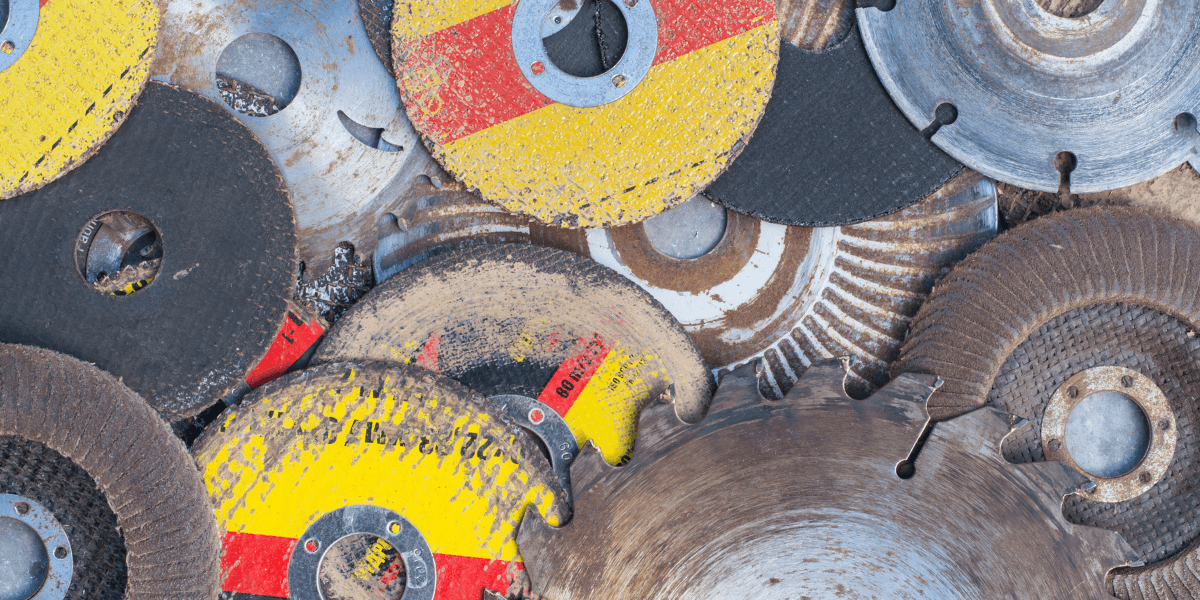
Grain matters, but format is often the bigger lever for productivity. A fiber disc and a flap disc can use similar grain, yet feel completely different in the operator’s hands.
Fiber discs (high-speed grinding and aggressive stock removal)
If your goal is fast removal, fiber discs are hard to beat on an angle grinder. Pairing fiber discs with ceramic grain is a common setup for high-cut-rate work.
Why crews like them
High cut speed for weld grinding and beveling
Works well on plate and structural steel
Easy grit progression from heavy grind to refine steps
Where they fit best
Weld cap removal
Bevel prep
Removing mill scale quickly
Flattening high spots before blending
Practical note: The right backing pad matters. A too-soft pad can slow the cut and round edges when you want flatness. A too-hard pad can leave a harsh scratch pattern and feel grabby.
Flap discs (grind + blend in one tool)
Flap discs are often the go-to for fabrication because they can remove material and leave a cleaner finish than a straight grinding wheel. They also feel more controllable for blending weld toes and smoothing transitions.
Ceramic flap discs tend to last the longest and stay sharper longer under pressure. Zirconia flap discs are a solid value option for carbon steel.
Where they fit best
Blending weld seams
Smoothing corners and transitions
Light-to-medium stock removal with a better finish
Grit tip: A 40-grit flap disc moves metal fast but leaves deeper scratches. An 80-grit flap disc refines the finish and reduces cleanup time before coating.
Grinding wheels (heavy-duty weld grinding and edge work)
Grinding wheels still earn their place for heavy weld removal, thick material, and jobs where you need a rigid, consistent contact point. They’re common in structural work and field fabrication.
Where they fit best
Heavy weld grinding on structural steel
Rapid removal on thick sections
Surface prep where rigidity helps
Wheel selection depends on the tool, guard, and application. Safety standards and correct mounting matter here, so it’s worth matching wheel type to the grinder and the job.
Abrasive belts (fast, controlled removal for benches, wide belts, and robotics)
Belts are the productivity move when you have a stationary setup, production volume, or the need for consistent results. In automated and high-pressure belt grinding, ceramic belts with Y-weight polyester backing are a common choice because they handle force and heat well.
Where belts shine
Consistent stock removal with a predictable finish
Deburring and edge prep
Robotic grinding cells and high-volume production
Long welds and repetitive parts, where discs become a bottleneck
Best abrasive picks by application (quick decision guide)
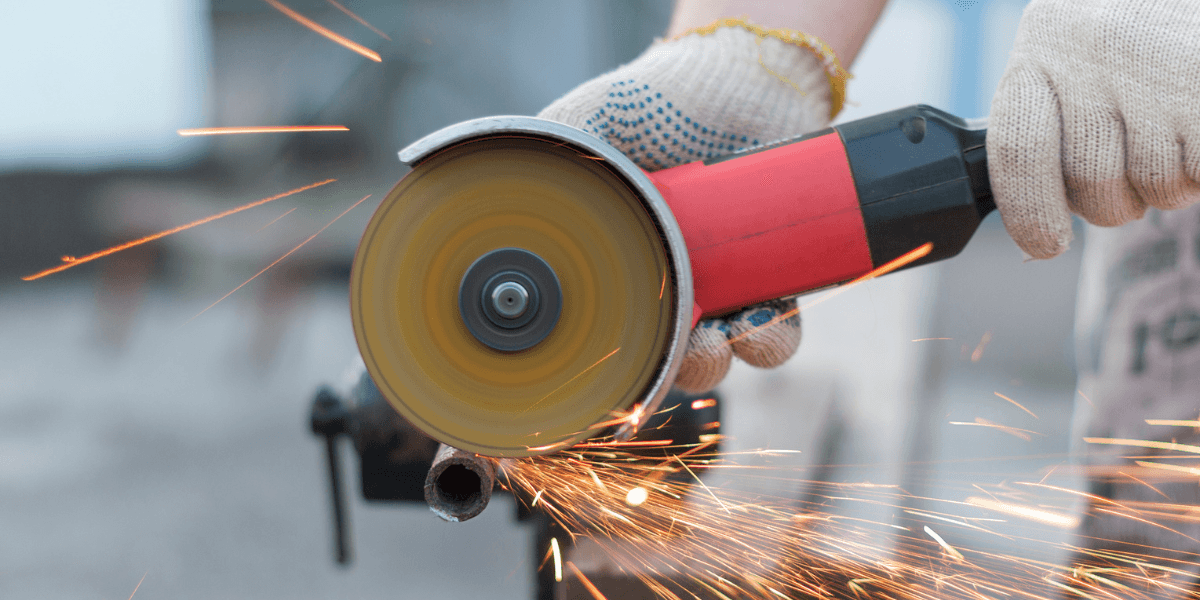
Faster grinding (heavy stock removal)
Top grain: Ceramic alumina (especially shaped ceramic grain products)
Strong alternative: Zirconia alumina for carbon steel
Best formats: Fiber discs for speed, grinding wheels for heavy weld work, ceramic belts for production
Why it works: Ceramic self-fractures into sharp points, keeps cutting under heat, and tends to maintain cut rate longer.
Blending and finishing
Top grain: Aluminum oxide for consistent finishing; ceramic when speed and life still matter
Best formats: Flap discs, non-woven surface conditioning discs
Why it works: Flap discs blend as they grind. Non-woven products clean and finish without leaving deep gouges.
Surface prep (rust, paint, coating removal)
Top choice: Non-woven surface conditioning for controlled cleaning
Aggressive option: Ceramic fiber discs when you need fast stripping, and you can tolerate a more aggressive scratch pattern
Best formats: Surface conditioning discs, some flap discs designed for blending and prep
Why it works: Surface prep often needs cleaning power without reshaping the metal.
Material selection: match the grain to the metal
Stainless steel and hard alloys
Go with ceramic alumina. Stainless punishes abrasives with heat and work-hardening. Ceramics’ cool-cutting behavior and self-sharpening tendency usually translate to steadier performance and fewer burned edges.
Carbon steel and mild steel
Zirconia alumina works great for heavy grinding, and aluminum oxide covers general-purpose blending and maintenance work. Ceramic still performs well here, especially if you’re chasing maximum throughput.
Aluminum and other soft metals
Silicon carbide helps reduce loading and keeps cutting where other products can gum up. Also consider products designed specifically to resist loading (including certain coated abrasives and surface conditioning options).
What “premium” buys you in real work
Premium engineered ceramic abrasives (the shaped ceramic grain category that includes products like Cubitron II and RazorStar) typically deliver two things that matter in production:
Faster cut with less pressure
More consistent performance across the disc’s life
That consistency matters because it stabilizes cycle time. Operators don’t have to compensate as the abrasive dulls, and the workpiece sees less heat variation. In high-volume work, those small savings stack up quickly.
That said, premium isn’t automatically the right answer for every station. Many shops mix tiers: ceramic for bottleneck operations and stainless, zirconia or aluminum oxide for general cleanup and secondary steps.
Conclusion:
A fast setup usually looks like a small, deliberate lineup: one option for aggressive removal, one for blending, and one for surface prep. For stainless and high-pressure stations, ceramic alumina products often carry the load. For carbon steel, zirconia and aluminum oxide cover most needs. For aluminum, silicon carbide, and anti-loading products, save a lot of frustration.
Have a question about discs, wheels, or belts for your material and grinder setup? Contact us at Kowallis, and we’ll point you to a setup that matches your job.
FAQ
What are the types of abrasives used in grinding wheels?
Grinding wheels commonly use aluminum oxide (general steel grinding), ceramic alumina (high performance on stainless and tougher alloys), and silicon carbide (non-ferrous metals and some non-metal applications). The right choice depends on the material, pressure, and the finish you need after grinding.
What is a type 7 grinding wheel?
A Type 7 grinding wheel is a flat, recessed abrasive wheel used for precision grinding applications such as surface, cylindrical, and tool room grinding. Its depressed center provides flange and guard clearance for safe operation. Always ensure the wheel type and size match the grinder’s specifications.
Which type of abrasive is the most widely used?
Aluminum oxide is widely used across general metal grinding and blending because it performs well on many ferrous metals and comes at a practical price point. In many shops, it’s the default grain for day-to-day work.
Which is finer, 40 grit or 80 grit?
80 grit is finer than 40 grit. A higher grit number generally means a finer abrasive particle size, which leaves a smoother scratch pattern. A lower grit number cuts faster but leaves deeper scratches.
How many types of grinding are there?
Grinding can be categorized in several ways, but in fabrication and construction, you’ll usually hear it grouped by purpose: rough grinding/stock removal, blending, and finishing/surface prep. In manufacturing, you may also see process-based categories such as surface grinding, cylindrical grinding, centerless grinding, and belt grinding.

Looking for more than just parts?
Explore how our services are reshaping what support means in this industry.