How to Choose the Right Industrial Abrasives for Every Surface and Application

Choosing the right abrasive often decides whether you get a clean, consistent finish or a frustrating round of rework. The wrong product scars surfaces, overheats parts, and wastes labor. The right one cuts cleanly, holds up under pressure, and keeps tools and operators working efficiently.
Contractors, manufacturers, and maintenance crews across Idaho deal with this every day on jobsites and in shops. With shelves full of discs, belts, wheels, and specialty products, it is easy to guess instead of decide. This guide gives you a clear, step-by-step path to selecting industrial abrasives for every surface and task, with practical insight you can put to work right away.
A Step-by-Step Framework for Choosing the Right Abrasive
This section walks through a simple decision process that anyone on your team can follow. The aim is consistent choices and predictable results, not trial and error.
Understand Your Material
Every abrasive behaves differently on steel, stainless, aluminum, wood, or concrete. Hard, heat-sensitive alloys call for cool-cutting industrial abrasives, while softer materials like wood or mild steel offer more flexibility.
Think first about hardness, toughness, and heat sensitivity before you ever open a catalog. That quick review of material properties helps you avoid burnt edges, glazed discs, and gouged or distorted substrates.
Define the Task
Be specific about what the abrasive should do: heavy stock removal, blending, deburring, or final finishing. Grinding welds flat calls for aggressive cutting, while cosmetic blending or pre-paint sanding needs a lighter touch.
When you align task intensity with product aggressiveness, you get the right cut rate, surface profile, and part quality without beating up operators or equipment.
Select the Abrasive Grain
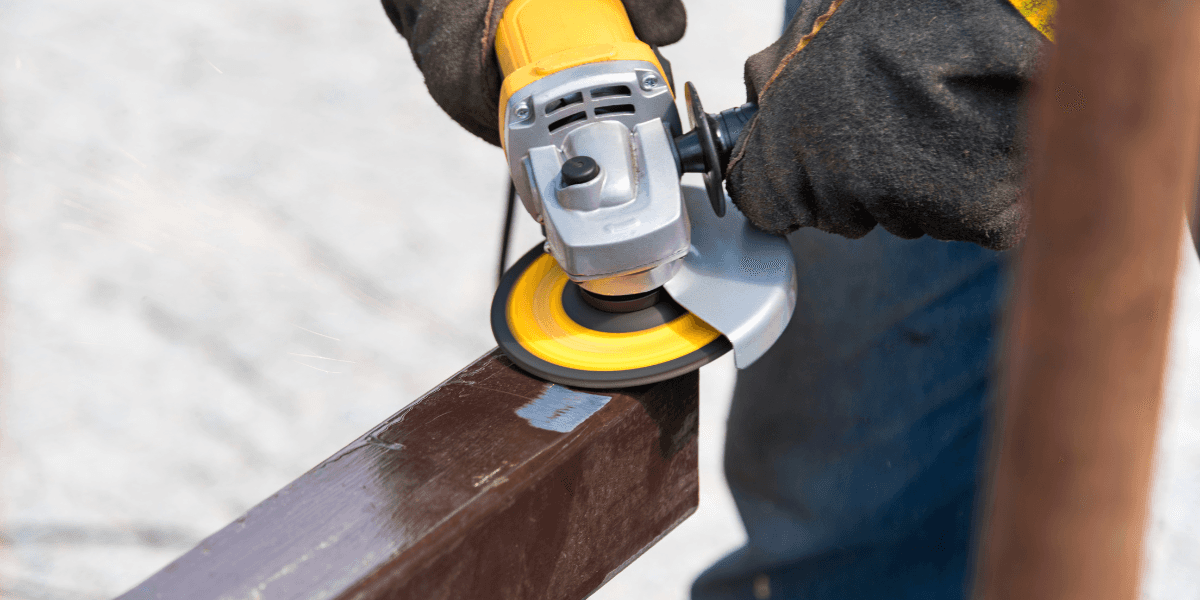
Grain acts as the cutting teeth of the abrasive. Aluminum oxide, zirconia, ceramic, silicon carbide, and diamond all have unique cutting behavior, heat control, and lifespan.
Match grain toughness to material hardness and applied pressure. High-pressure grinding on stainless or exotic alloys benefits from tougher grains like zirconia or ceramic, while general-purpose industrial abrasives can run well on aluminum oxide.
Choose the Correct Form Factor
The same grain performs differently in a bonded wheel, coated disc, belt, or loose media. Form factor affects how the abrasive contacts the surface, how much control operators have, and how quickly it removes material.
Select the format that fits your equipment and workflow: grinding wheels for heavy removal, flap discs for one-step blending, belts for continuous sanding, and blasting media for covering full surfaces and complex shapes.
Determine the Proper Grit Size
Grit size sets both cutting speed and final smoothness. Coarse grits strip defects fast, while fine grits refine the surface and tighten the scratch pattern.
Begin with the coarsest grit that can remove defects efficiently, then move through a logical grit sequence. Large jumps in grit size leave hidden scratches that reappear after coating, while switching to very fine grits too soon adds time without real benefit.
Abrasive Grain Comparison for Industrial Applications (2025 Update)
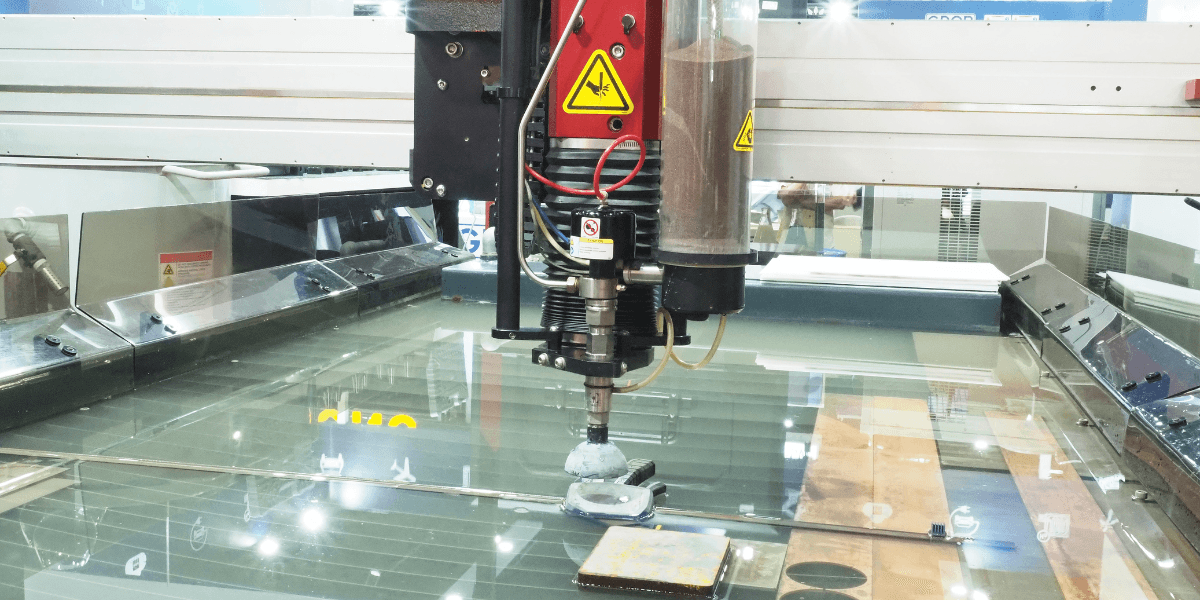
Here is a quick reference for the most common grains used in industrial abrasives. Use it to confirm that the grain chemistry matches each job.
Aluminum Oxide
Aluminum oxide is a versatile abrasive for carbon steel, wood, and many plastics. It offers a balanced mix of cut rate, cost, and durability, which is why it dominates in belts, discs, and sheets.
It is commonly used in woodworking abrasives for general sanding and in fabrication shops for everyday grinding and blending.
Silicon Carbide
Silicon carbide is extremely hard and sharp, well suited to glass, ceramics, cast iron, and masonry. It cuts quickly with a clean scratch pattern but tends to be more brittle than most other grains.
You will find it in waterproof papers, stone-finishing products, and select polishing abrasives where crisp, fine finishes are needed.
Zirconia Alumina
Zirconia alumina is a self-sharpening grain designed for high-pressure and heavy-load applications. It is a solid choice for stainless steel, structural steel, and speciality alloys that quickly break down weaker industrial abrasives.
It performs best on right-angle grinders and belt sanders where operators apply firm pressure and expect long life with consistent cutting power.
Ceramic Alumina
Ceramic alumina is a premium grain that delivers top performance on stainless steel, titanium, and aerospace alloys. It delivers a very high cut rate and tends to run cooler than conventional abrasive grains.
Its long service life often reduces changeouts and part defects, which can offset the higher purchase price in demanding production environments.
Diamond Abrasives
Diamond is the hardest abrasive available and excels on carbides, advanced ceramics, stone, and glass. It is the standard choice for precision grinding of extremely hard materials.
However, it should not be used on steel because of chemical reactions at grinding temperatures, so diamond industrial abrasives are reserved for applications that match their design.
Surface-Specific Abrasive Recommendations

These guidelines help you quickly pair surfaces with suitable products. Treat them as a starting point, then tune with shop and jobsite trials.
Steel (Carbon and Alloy)
For general grinding and blending on steel, aluminum oxide remains the default abrasive in many shops. It handles weld cleanup, bevels, and edge prep with dependable performance.
For heavier removal and longer life, zirconia- and ceramic-based industrial abrasives are better suited, especially for thick sections, long seams, or continuous production runs.
Stainless Steel
Stainless reacts poorly to heat and contamination, so it benefits from cool-cutting industrial abrasives that limit discoloration and preserve corrosion resistance.
Ceramic alumina products help control heat tinting and prevent surface damage. Paired with fine polishing abrasives, they produce clean, uniform finishes for food-grade, medical, and architectural components.
Aluminum and Non-Ferrous Metals
Soft metals like aluminum clog discs and belts quickly. Look for abrasive products with anti-loading topcoats that keep the surface open and cutting.
Silicon carbide and coated ceramic options perform well, especially when finished with appropriate polishing abrasives to achieve bright, reflective surfaces.
Wood and Wood Products
Wood behaves very differently from metal. Garnet and aluminum oxide remain the main grains used in woodworking abrasives, each with distinct strengths.
Use coarser grits for leveling mill marks and glue lines, then step into finer woodworking abrasives and light polishing abrasives for pre-stain or pre-finish surface preparation.
Concrete, Masonry, and Stone
Rigid mineral surfaces require hard, durable grain. Silicon carbide and diamond industrial abrasives are the primary choices for etching, grinding, and smoothing these materials.
For high-polish concrete or stone, diamond-based polishing abrasives in progressively finer grits can create dense, glossy surfaces that tolerate heavy traffic and regular cleaning.
Understanding Grit Size and Surface Finish
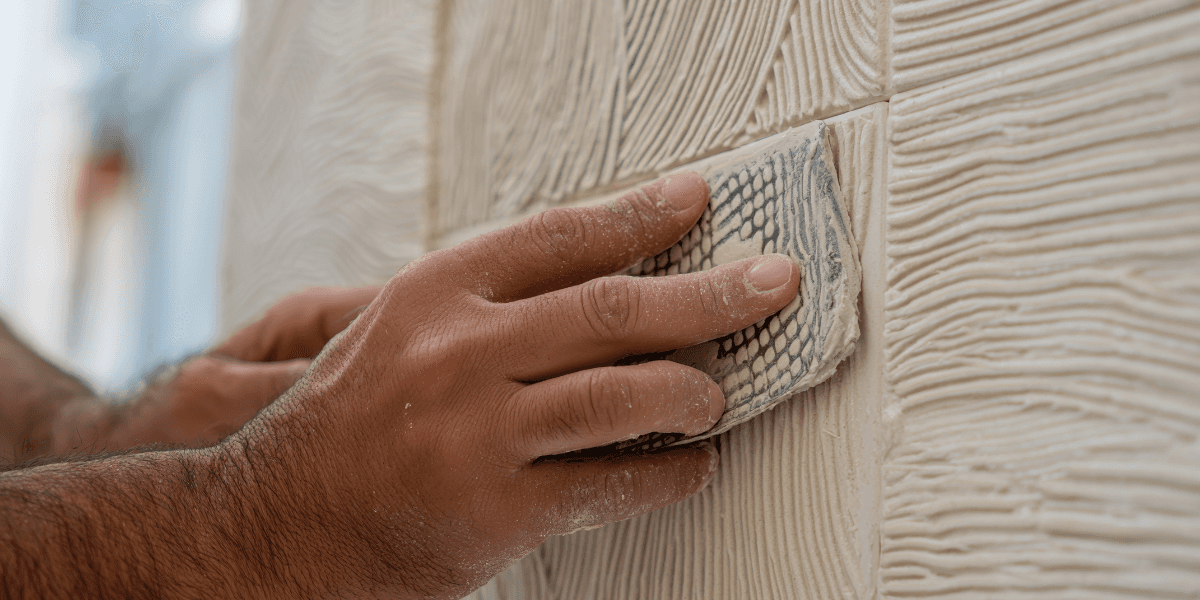
Grit numbers often feel abstract until you connect them to real surfaces. This section links the numbers on the label to what you see and feel on the part.
Coarse Grits (16–60)
Coarse-grit abrasive products tackle heavy rust, remove weld crowns, and cut through thick coatings quickly. They leave a deep, obvious scratch pattern that always needs follow-up steps.
On industrial abrasives such as grinding wheels and heavy fiber discs, these grits are best for the first pass where speed and stock removal matter more than appearance.
Medium Grits (80–120)
Medium grits refine coarse scratches, blend welds, and get surfaces ready for primer or intermediate finishes. They form a workhorse range in many shops.
You will see them regularly in metal-focused industrial abrasives and in woodworking abrasives for general shaping, sanding, and smoothing.
Fine Grits (150–220+)
Fine grits complete the last step before coating, plating, or assembly. They leave a controlled scratch pattern that hides under paint, powder, or clear finishes.
These grits fall between basic sandpaper and dedicated polishing abrasives and are commonly used in both metal and wood finishing operations.
Super Fine Grits (400–1000+)
Super fine products act much like polishing abrasives rather than standard sandpapers. They remove very little material yet significantly increase gloss and clarity.
In high-value industrial abrasives work, these grits touch molds, dies, precision tools, and components that demand tight tolerances along with near-perfect surfaces.
Abrasive Form Factors and When to Use Them
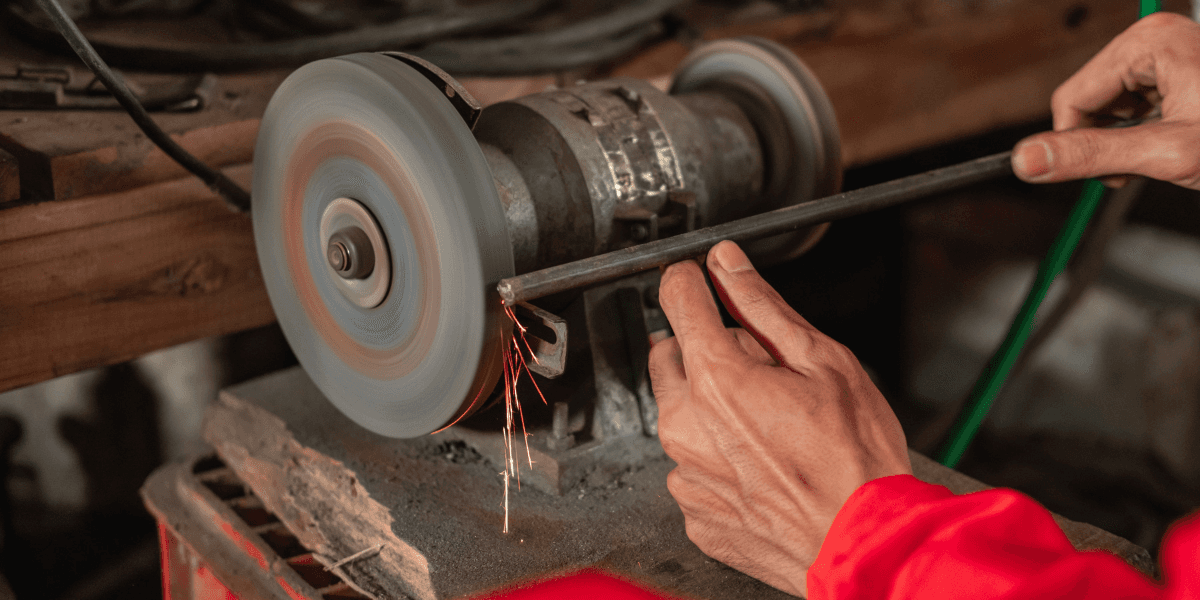
Different shapes of abrasive products fit different machines and processes. A good match between tool and form factor can dramatically change productivity and finish quality.
Bonded Abrasives (Grinding Wheels and Stones)
Bonded wheels use a rigid matrix to hold grains in place, which suits heavy grinding and precise tool sharpening. They withstand significant pressure and remain dimensionally stable.
Fabrication shops and maintenance departments rely on these industrial abrasives for cutting, beveling, surface prep, and restoring cutting tools.
Coated Abrasives (Discs, Belts, Sheets)
Coated products attach grains to flexible backings so they can follow contours, handle broad surfaces, and adapt to many tools.
Flap discs combine aggressive grinding with controlled finishing, while belts, sheets, and specialty forms support both woodworking abrasives and polishing abrasives across a wide range of applications.
Loose Abrasive Media for Blasting
Blasting media uses compressed air or wheels to throw abrasive particles onto a surface. Garnet, glass bead, and organic media each create distinct profiles and finishes.
These industrial abrasives are best suited for full coverage on complex parts such as structural steel, tanks, castings, and detailed restoration projects.
Procurement Considerations When Buying Industrial Abrasives
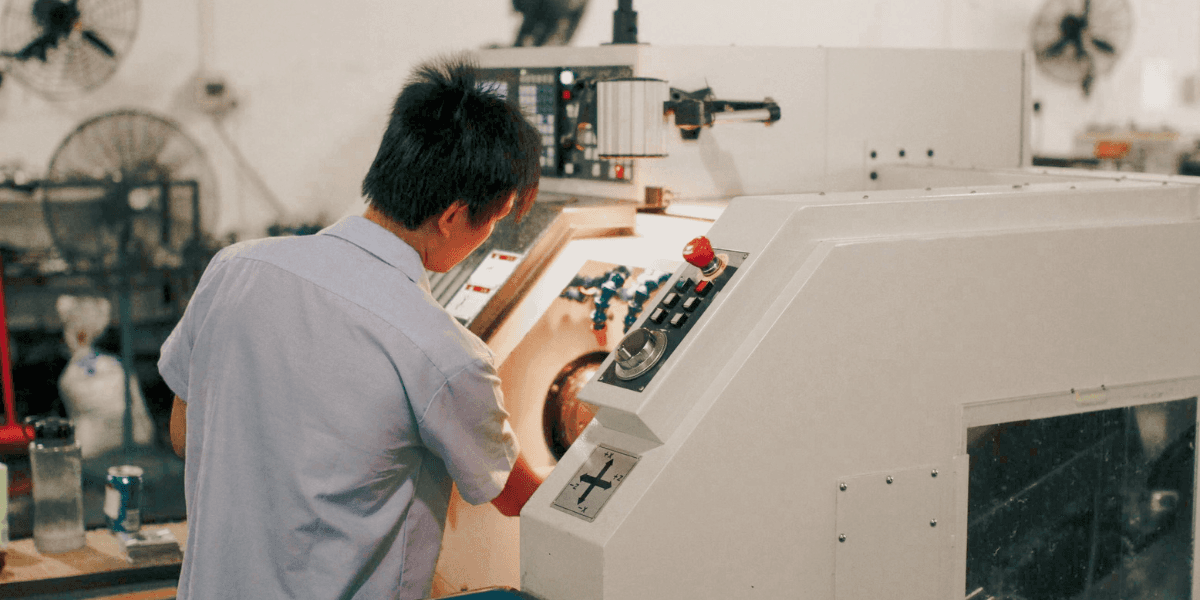
Smart purchasing looks past catalog numbers and cut rates. It treats uptime, consistency, and supplier support as part of the selection process.
Performance Consistency and Product Quality
Variations in grain quality, backing strength, or bonding can cause unpredictable performance from one batch of industrial abrasives to the next. Those swings quickly turn into scrap, rework, and lost time.
Working with dependable abrasive suppliers helps reduce those issues and keeps performance steady across plants, crews, and locations.
Inventory Management and Availability
Running out of a critical abrasive can halt production as quickly as a machine failure. At the same time, excess stock ties up money and gathers dust on shelves.
Supplier-managed programs and solid usage data support a better balance so the industrial abrasives you rely on are on hand when you need them, without piling up unused inventory.
Technical Support and Supplier Expertise
Strong abrasive suppliers do much more than move boxes. They help test new products, refine grit sequences, and troubleshoot problems with cut rate or finish.
This kind of support is especially valuable when you are comparing high-value polishing abrasives or fine-tuning woodworking abrasives for a particular material or finish standard.
Common Abrasive Selection Mistakes to Avoid
A few avoidable errors drive many of the headaches teams see with finishes, labor hours, and tool wear.
Using One Abrasive for Every Application
Trying to run every job with a single abrasive product produces poor finishes, overheating, and sluggish cutting. What works acceptably on steel may clog instantly on aluminum or scratch softwood badly.
Group your industrial abrasives, woodworking abrasives, and polishing abrasives so each group handles the tasks it is designed to handle well.
Choosing Based on Unit Price Instead of Total Cost
The lowest-priced disc often brings the highest overall cost. Short life, slow cutting, and frequent rework push labor and downtime far above any savings on purchase price.
Look at how long industrial abrasives last, how quickly they cut, and what kind of support your abrasive suppliers provide when comparing costs.
How Kowallis & Richards Supports Abrasive Selection and Supply
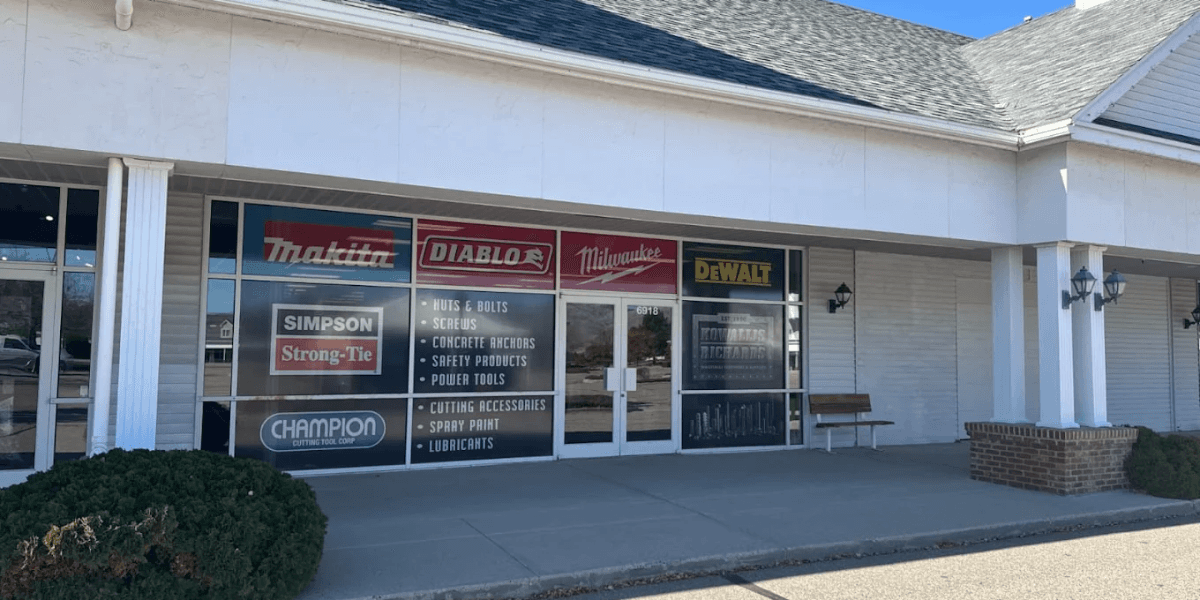
Kowallis & Richards has worked with Idaho contractors, manufacturers, and maintenance teams since 1950. That history turns into practical help with everyday applications and specialized projects.
Our Expertise Across Construction, Manufacturing, and Maintenance
From heavy structural work to fine fabrication, we match each abrasive to the material, process, and equipment at hand. Real feedback from jobsites and shops shapes the products we stand behind.
Customers rely on our background with industrial abrasives so they can standardize, reduce rework, and get predictable performance shift after shift.
Reliable Inventory and On-Time Delivery You Can Count On
We commit to stocking the industrial abrasives our customers use most, supported by forecasting, close communication, and regular reviews with buyers and planners.
As local abrasive suppliers, we back that inventory with fast, dependable delivery across the Treasure Valley so crews stay focused on productive work instead of chasing parts.
One Trusted Source for Abrasives, Tools, and Industrial Supplies
Kowallis & Richards supplies grinding and sanding products alongside tools, fasteners, safety gear, and adhesives. That simplifies purchasing and reduces the number of vendors you have to manage.
Whether you need general-purpose abrasive products, specialty woodworking abrasives, or high-performance polishing abrasives, you can source them through a single, trusted partner.
Conclusion
Smart abrasive selection protects surfaces, shortens cycle times, and extends the life of tools and operators. With a clear framework, surface-specific recommendations, and a solid understanding of grain, grit, and form factor, your industrial abrasives program can become a real advantage.
Take a fresh look at your current mix of grinding, sanding, and polishing abrasives, and spot where better matches or upgraded products could cut rework or speed up production.
For expert guidance, stable inventory, and responsive service, partner with Kowallis & Richards, your Idaho-based abrasive suppliers. Tap into decades of experience with woodworking abrasives, metal finishing solutions, and specialty products tailored to demanding industrial environments.
Recent Blog

Looking for more than just parts?
Explore how our services are reshaping what support means in this industry.